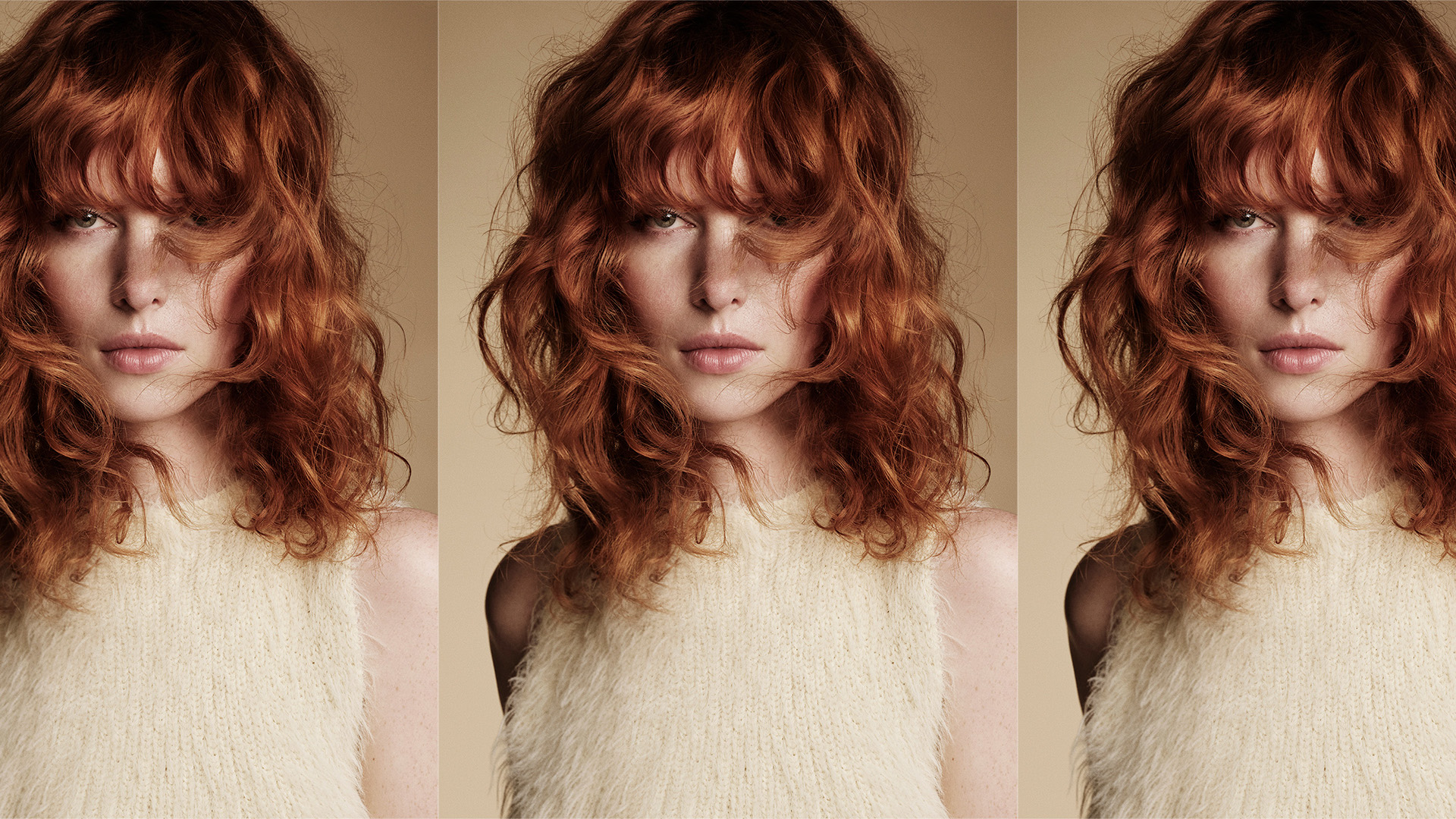
The butterfly bob is back on the hair agenda for 2026, combining the timeless shape of a bob with the soft, face-framing layers of the butterfly haircut. Designed to create movement, volume and a less structured finish than a traditional bob, it offers plenty of scope for personalisation behind the chair.
But what exactly makes a butterfly bob different from other layered bobs, and which clients does it work best for? Here’s everything you need to know...
What Is a Butterfly Bob?
The butterfly bob takes the signature feathered layers and face-framing shape of the butterfly haircut and translates them into a shorter, bob-length silhouette.
Rather than the strong, precise perimeter associated with some classic bobs, the butterfly bob has a softer finish, with layering used to encourage movement around the face.
The expert hairstylists at London salon Top One explain: “The Butterfly Bob is just a more flexible, laid back version of your standard bob. It plays with layers and lengths with a lot less structure, allowing the hair to frame the face more naturally.
“The term ‘butterfly’ comes from its face framing, feathered layers and curtain bangs, which can resemble butterfly wings that allow for some serious movement.”
This makes the butterfly bob less about following one rigid cutting formula and more about adapting the proportions, layers and face frame to the individual client.
Why Is the Butterfly Bob Trending?
The butterfly bob brings together two enduring client favourites: the bob and the butterfly haircut. While the classic butterfly cut uses layers to create softness, volume and movement through longer hair, the butterfly bob delivers a similar effect at a shorter length.
Its renewed popularity also reflects a wider shift towards softer, more fluid interpretations of the bob, with movement and texture taking precedence over an ultra-precise, blunt finish.
For clients who like the idea of a bob but don't want a sharp or heavily structured haircut, the butterfly bob can offer a softer alternative.
What Should Clients Ask for When Getting a Butterfly Bob?
As with many social media-led haircut trends, consultation is key. Rather than relying on the name alone, it's important to establish what the client likes about the butterfly bob – whether that's the face-framing layers, volume, curtain fringe or overall length.
Consider the client's natural texture, density, face shape, desired styling routine and how much movement they want through the finished cut.
Here’s everything to consider when tailoring the butterfly bob to your client:
- A bob-length perimeter suited to the client's features
- Soft, feathered layering
- Face-framing pieces
- Movement through the front and sides
- A curtain fringe or longer sweeping fringe, where appropriate
- A less rigid finish than a traditional blunt bob
Reference images are always a good idea too, especially as one client’s idea of a butterfly bob might look very different to another’s.
Who Does a Butterfly Bob Suit?
The butterfly bob can be adapted to different face shapes and hair textures, but personalisation is essential.
Top One explains: “The style suits various hair textures and face shapes, but the cut needs to be adapted to complement each person perfectly – as with any trend or style.”
The length of the bob, placement of the shortest layers, amount of weight removed and positioning of the face frame can all be adjusted to create a bespoke result.
Butterfly Bobs for Round and Square Face Shapes
For clients with round or square face shapes, Top One recommends using movement and the parting to help tailor the silhouette. “If a client's face is on the round or square side, opt for a wavy, middle part that will bring attention to the centre of your face, creating the illusion of a longer shape. We also recommend wave spray, to give the cut more movement and separation.”
When consulting, consider where the perimeter and shortest face-framing sections sit, rather than applying the same length to every client.
Butterfly Bobs for Oval Face Shapes
Clients with oval face shapes have plenty of flexibility when it comes to the butterfly bob.
“For an oval face shape, allow the layers to flow and sweep away from the face. Opt for chin or just below chin length, for an off-centre diamond-like effect,” advises Top One. “Whilst this length can often appear too voluminous if not styled correctly, the addition of feathered layers that work with the hair's natural texture will achieve a look that is face-framing and flattering.”
Butterfly Bobs for Heart-Shaped Faces
For heart-shaped faces, consider how the shape can create balance through the jaw area.
Top One explains: “The Butterfly Bob can also work well for clients with a heart shaped face, if styled correctly. In this instance, chin length curls can help soften the face and add some movement, creating fullness around the jawline, bringing balance and symmetry.”
Does the Butterfly Bob Work on Fine Hair?
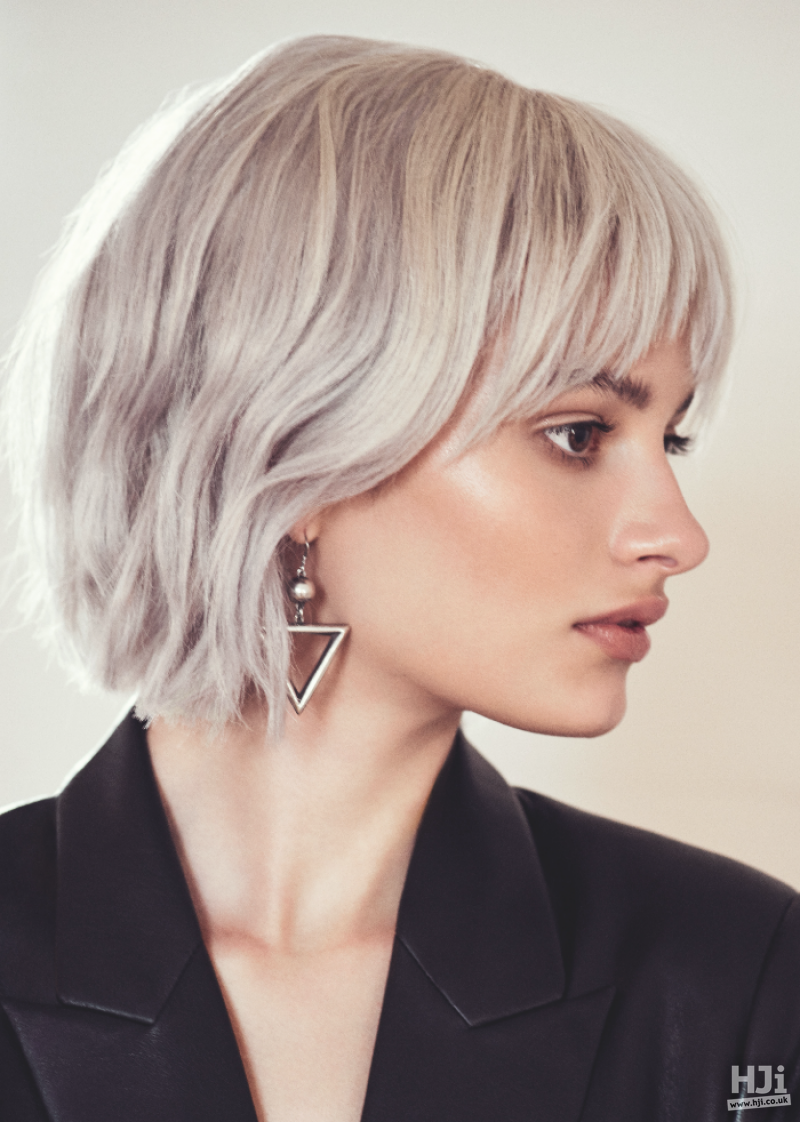
On finer hair, the amount and placement of layering needs careful consideration so that the finished shape retains enough density.
Top One notes that styling support may be required: “Hot tools, volumising sprays and mousse may be needed in order to maintain the style for finer, thinner hair.”
When adapting the trend for a fine-haired client, consider how much layering the density can support and whether the desired butterfly effect can instead be created through strategic face framing and styling.
Does the Butterfly Bob Work on Thick or Coarse Hair?
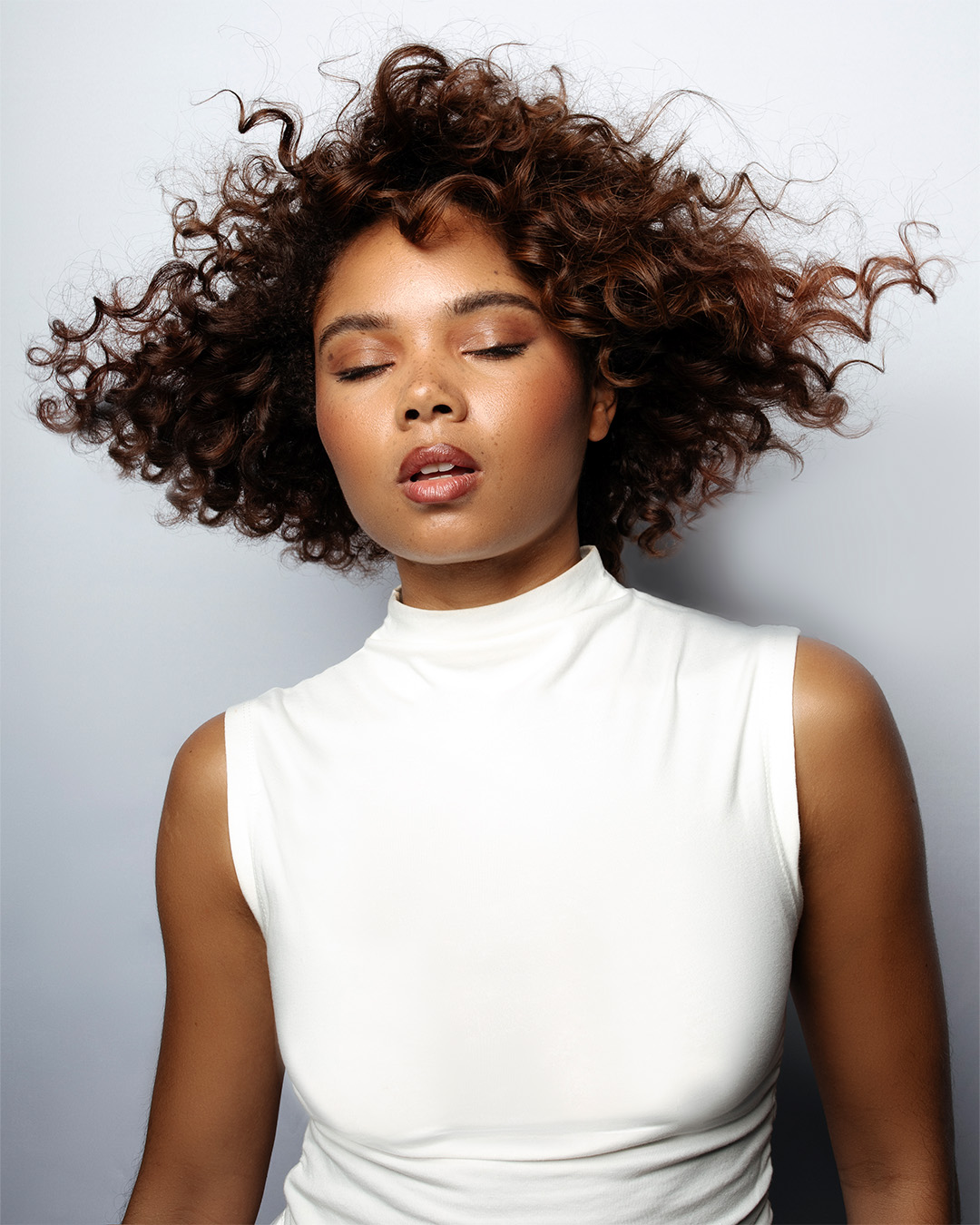
The cut can also be adapted for thicker and coarser textures, although the approach to weight and layering will differ.
“With thick and coarse hair, the ‘butterfly wing’ effect can be more challenging, but certainly not off limits,” explains Top One. “The key is to keep the layers long enough to allow room for shrinkage, and cutting according to the face shape.”
A thorough consultation about the client's natural texture and how they usually wear their hair will help determine the most appropriate length and layering pattern.
How Do You Style a Butterfly Bob?
Styling should emphasise the feature that gives the butterfly bob its name: movement.
A round brush blow-dry can help create lift and encourage the face-framing sections to sweep away from the face, while waves can give the layers greater separation and texture.
For finer hair, lightweight volumising products can support lift without overwhelming the shape. For thicker textures, product choice should be tailored to the client's natural hair and desired finish.
Ultimately, the butterfly bob's strength lies in its adaptability. Instead of treating it as a prescriptive trend, hairdressers can use the butterfly shape as a starting point, tailoring the length, layers, fringe and finish to create a cut that works for the individual client.
Feature Image credit: Chetan Mongia