A career in hairdressing doesn't have to mean spending every working day behind the chair. The skills developed in the salon – from cutting, colouring and styling to communication, creativity and client care – can open the door to a surprisingly varied range of hairdressing careers.
Whether you’re interested in working backstage on TV and fashion shoots, moving into education, specialising in hair and scalp health or using your skills to support others, there are plenty of ways to build a career in the hair industry outside of a traditional salon role.
Looking for inspiration for your next career move? Here are 11 alternative hairdressing careers to consider, with advice from professionals who have taken their skills in different directions.
1. Hair Content Creator
Social media has created new opportunities for hairdressers to build their profile, attract clients, work with brands and share their expertise with other professionals.
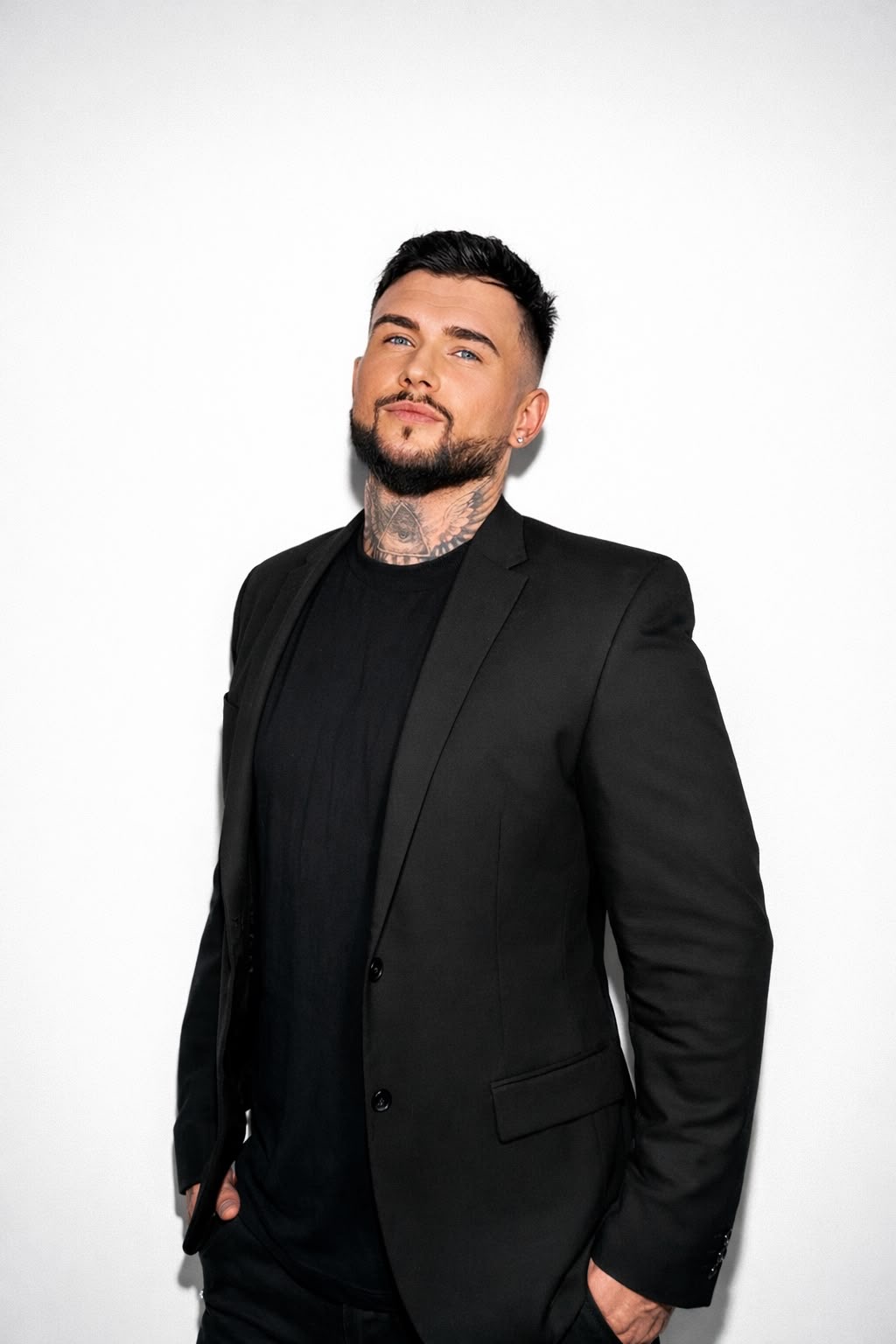
For Jaymz Marsters, creating content became an important extension of his work as a hairdresser. He explains that finding a point of difference was key to building his presence online. “You can influence others, whether you have 50 or 500,000 followers.”
Jaymz recommends thinking strategically about the content you create and identifying what sets your work apart. For him, that meant focusing on vivid colour when he noticed an opportunity in his local market.
For hairdressers considering this route, strong technical work is only part of the equation. Photography, video, editing, personal branding and an understanding of social platforms can all help turn your hair expertise into engaging content.
2. Trichologist or Hair Loss Specialist
Hairdressers who are particularly interested in scalp health, hair loss and the science behind hair may consider developing their career through trichology.
Consultant trichologist Wil Fleeson explains that the role can be very different emotionally from working on the salon floor. “I find hairdressing is upbeat, whereas trichology is intense and emotional, so it can be tricky to do both in the same day.”
Training requires considerable commitment, but for Wil, being able to help people understand what is happening with their hair and scalp makes it worthwhile.
For hairdressers interested in specialising in hair loss, further professional training is essential, alongside strong communication skills and the ability to support clients who may be experiencing sensitive or emotional concerns.
3. TV Hairstylist
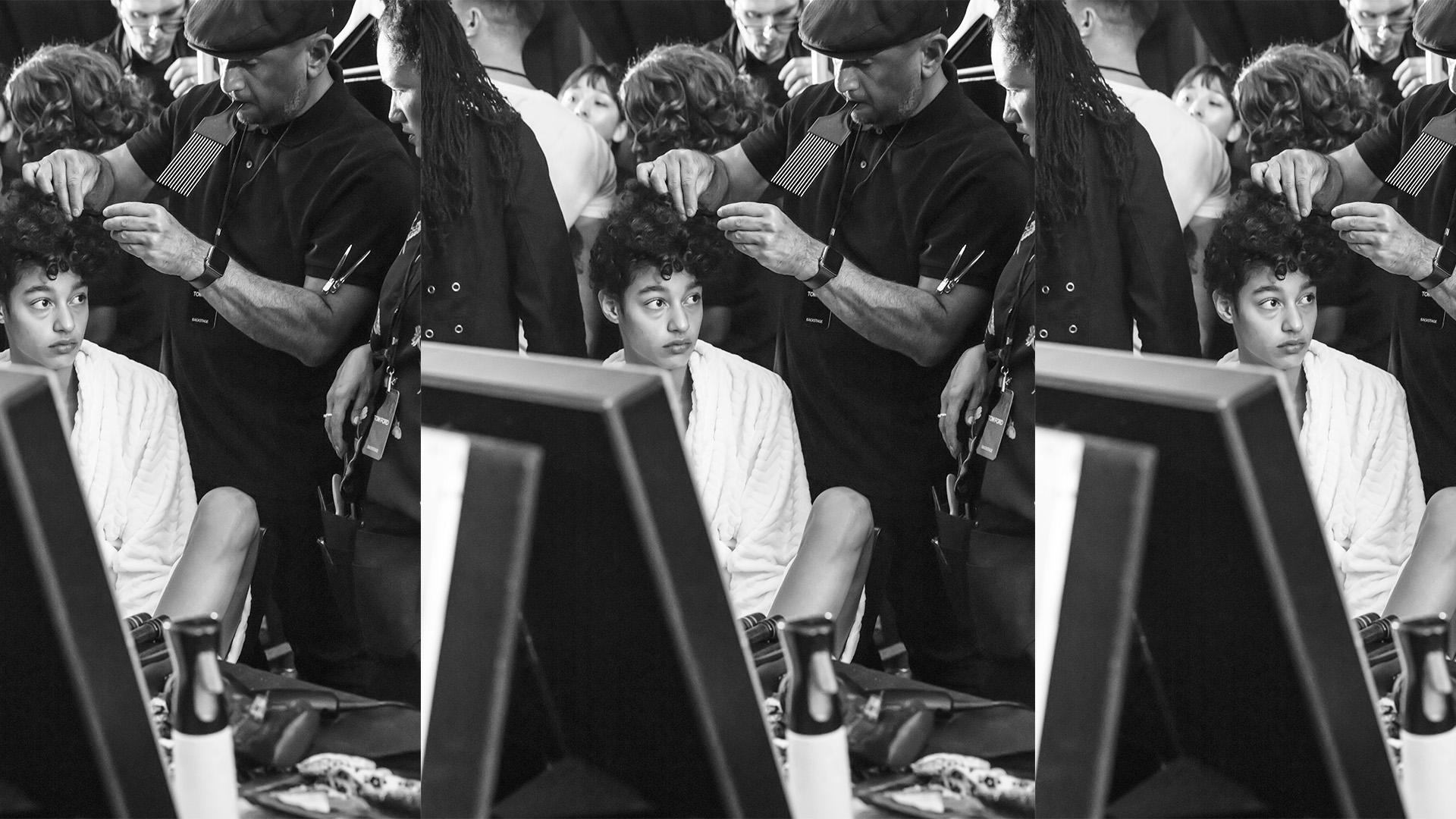
From entertainment programmes and dramas to live television, TV hairdressing requires a different set of skills from everyday salon work.
Luca Jones moved to London to begin his freelance career and was soon touring with Dancing on Ice. He later went on to work on Strictly Come Dancing.
His advice for hairdressers hoping to break into television is to build a strong portfolio and make the most of opportunities to meet and work with other creatives. “Skills, professionalism and being in the right place at the right time are all factors. It’s lots of hard work, especially in the beginning – I did many free test shoots to build my portfolio and said ‘yes’ to every opportunity.”
Luca also stresses that styling skills are crucial: “Freelance styling is a completely different skill from salon styling… Showcasing your styling ability is a must to get the roles you aspire to, so hone those skills.”
Looking for more TV hairstylist inspo? Take a read of HJ Careers: Tamara Robinson Talks Life on The Set of Hollyoaks!
4. Hair Photographer
If you're equally interested in hair and image-making, hair photography offers another way to work within the professional industry.
Photographer Richard Miles discovered the specialism after studying photography at university and initially intending to focus on fashion and beauty. A test hair shoot introduced him to an area that combined both.

Working as a hair photographer requires an understanding of what makes hair translate effectively on camera, as well as the technical skills needed for lighting, composition and retouching. “When shooting, I try to bring the hair to life and to make it tell a story in a beautiful way. I need the hair to be the hero.”
Richard's advice is to develop your own visual identity rather than imitate another photographer's work: “Let your own style be your unique selling point.”
5. Avant-Garde Hair Artist
For hairdressers whose creativity goes beyond wearable salon looks, avant-garde hair offers an opportunity to explore hair as an artistic medium.
Shelley Pengilly discovered avant-garde hairdressing after watching a stage show while working as a salon assistant. “Avant garde work is not about pleasing others. It is pure art and an expression of what is in my mind.”
Her creative work eventually led to opportunities with professional brands and stage shows.
Competitions, industry events, photographic collections and education can all provide opportunities for hairdressers to experiment with more conceptual work and develop a recognisable creative identity.
6. Charity Hairdresser
Hairdressing skills can also make a difference outside commercial environments.
After a 40-year career in hairdressing, Stewart Roberts founded Haircuts4Homeless, initially taking his scissors to a Salvation Army centre in Romford to volunteer.
For Stewart, the communication skills hairdressers develop throughout their careers are just as important as their technical abilities. “Those living on the streets often feel they have no voice and are invisible. But as great listeners, hairdressers are the perfect people to engage and build their confidence.”
Charitable hairdressing can provide professionals with an opportunity to use both their practical skills and ability to connect with people to support communities that may otherwise struggle to access professional hair services.
7. Prison Barber and Educator
Hair and barbering qualifications can also be taught within prisons, helping people develop practical skills that can support future employment.
Freelance hairdresser and barber Lynndy Rolfe became interested in the route after seeing a position for a barbering educator at a local prison. “I’m a big believer in second chances – being the prison’s go-to barber gives inmates a sense of fulfilment and they get a qualification at the end of it.”
For professionals interested in this area, teaching ability, patience and strong interpersonal skills are particularly important alongside barbering expertise.
8. Funeral Home Hairstylist
One of the lesser-known alternative careers for hairdressers can be found within the funeral profession.
Funeral director Annie Gosling explains that preparing someone for viewing can involve styling, trimming and colouring their hair, with recent photographs often used to recreate how the person usually wore it. “It is so rewarding to bring the deceased into a dignified state, often this will be the last memory a family will have of their loved one.”
The work understandably requires sensitivity, compassion and attention to detail. Annie recommends speaking directly to local funeral homes if this is an area you're interested in exploring.
9. Hairdressing Educator
If you enjoy helping junior team members develop their skills, education could offer a natural next step in your hairdressing career.
Laura Leigh Kerr's work in education has included delivering courses, organising work experience and supporting young people as they enter the industry. “My advice to anyone wanting to become an educator? Education can be one of the most rewarding aspects of a career. To train others to love the job as much as you do is just as fulfilling as running a column and working with clients on a daily basis.”
Education roles can take many forms, from working within academies and colleges to delivering independent courses, mentoring other professionals or becoming an educator for a professional hair brand.
10. Colour Educator
Experienced colourists can take their technical expertise beyond their own client base by moving into education.
Emma Fowler has specialised in colour throughout her career and highlights the importance of mastering the fundamentals before focusing on individual techniques or trends. “Dive deep into colour theory and absorb it all. You might want to learn the latest technique but the theory will save you in the long run.”
For colourists who enjoy sharing their knowledge, education can provide opportunities to demonstrate techniques, mentor other professionals and help stylists strengthen their understanding of consultation, formulation and colour theory.
11. Session Stylist
For hairdressers drawn to fashion, editorial and photographic work, session styling remains one of the industry's most sought-after alternative career paths.
Syd Hayes entered the session world after working with session hairdresser Simon Maynard before moving to Hershesons. He later assisted Guido Palau in New York for three years.
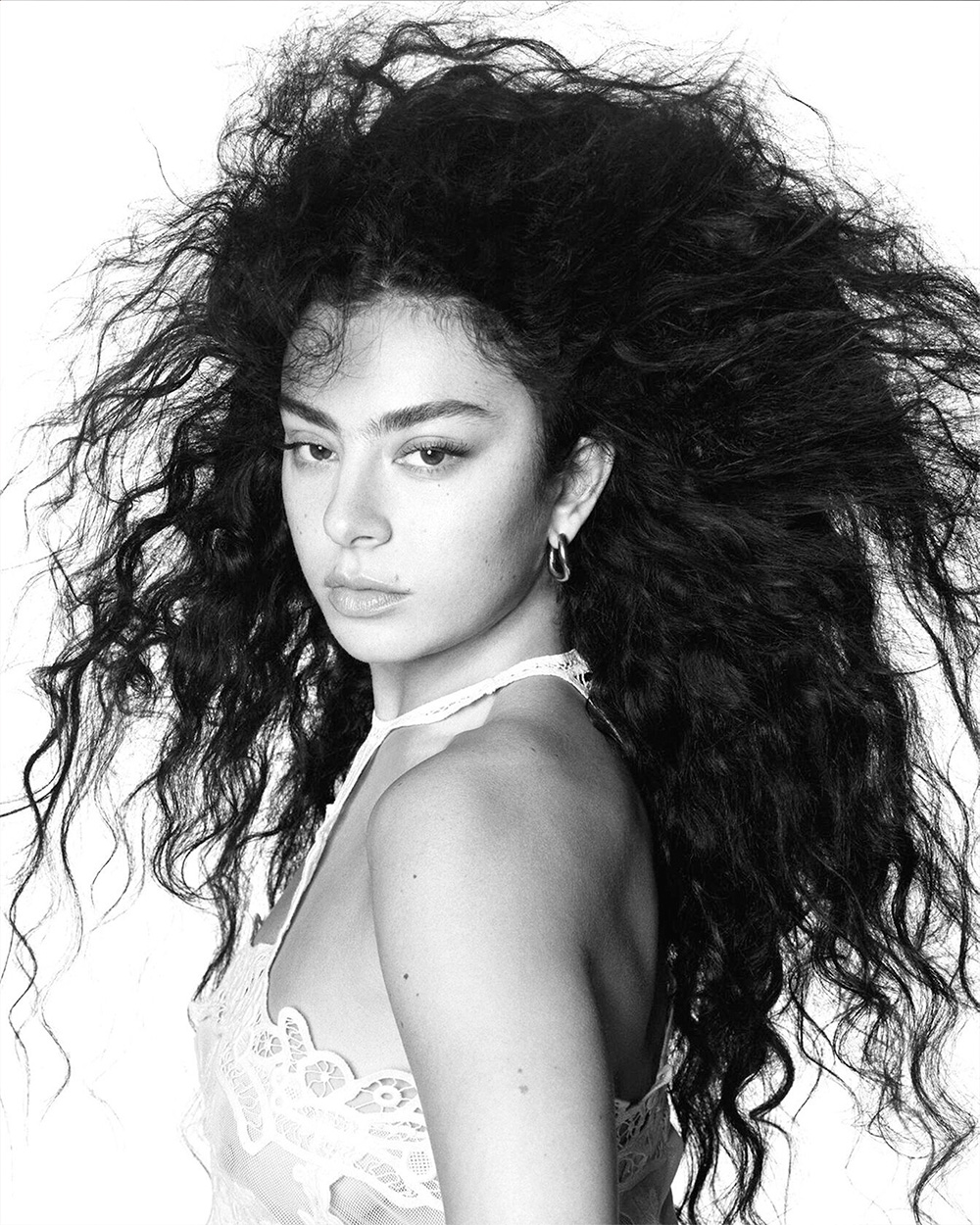
His advice for aspiring session stylists centres on relationships, attitude and being willing to take opportunities. “My top tip for anyone looking to get into session? Never say no to anything – because you never know what’s going to happen.”
Assisting established artists, building a strong portfolio, networking and developing versatile styling skills can all play an important role in establishing a session career.
What Other Careers Can You Do With a Hairdressing Qualification?
A hairdressing qualification can provide a foundation for far more than one career path. Some professionals remain client-facing throughout their careers, while others move into education, creative direction, media, freelance work or specialist services.
Your next step will depend on the area of hairdressing you enjoy most. If you love teaching, education could be a natural progression. If styling and fashion are your strengths, session or TV work may appeal. And if you're fascinated by the science of hair and scalp health, further specialist training could take your career towards trichology.
Whichever direction you choose, the technical, creative and people skills developed through hairdressing can provide a strong foundation for building a varied career in the professional hair industry.