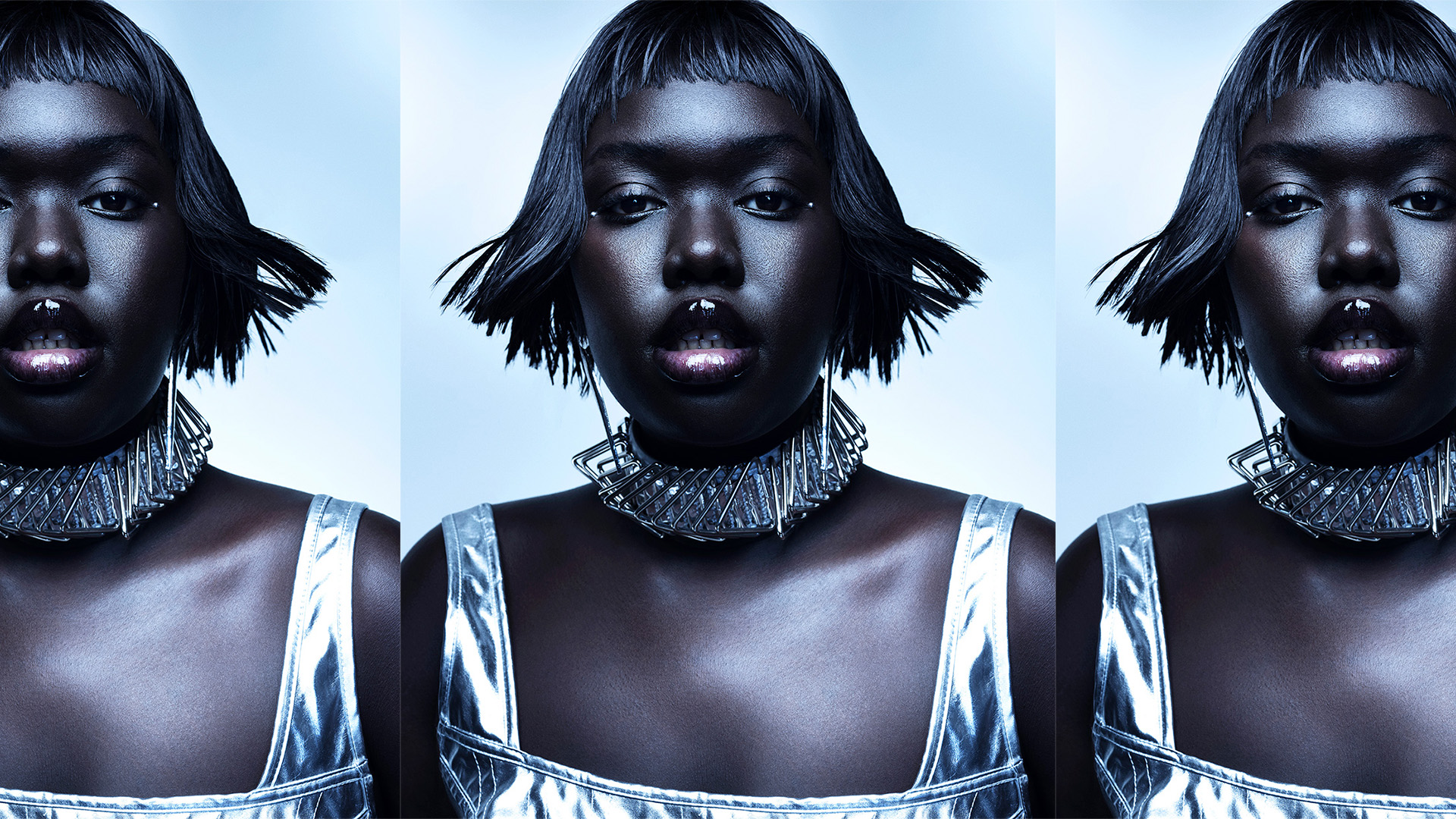
The French bob has proved itself to be far more than a fleeting hair trend. Characterised by its shorter length, strong shape and effortlessly undone finish, the cut continues to evolve – and the modern messy French bob offers an especially wearable interpretation for clients.
Typically sitting around the jawline, the French bob combines the structure of a classic bob with softer texture and natural movement. While traditionally associated with a fringe and a distinctly Parisian aesthetic, today’s versions can be adapted to different face shapes, hair types and styling preferences.
But the key is understanding how to personalise the shape without losing what makes a French bob distinctive.
Looking for more trending bobs? Here's everything you need to know on the Butterfly Bob!
What Is a French Bob?
A classic French bob generally sits around the jawline or slightly above it, creating a compact silhouette that can be worn blunt, softly textured or paired with a fringe.
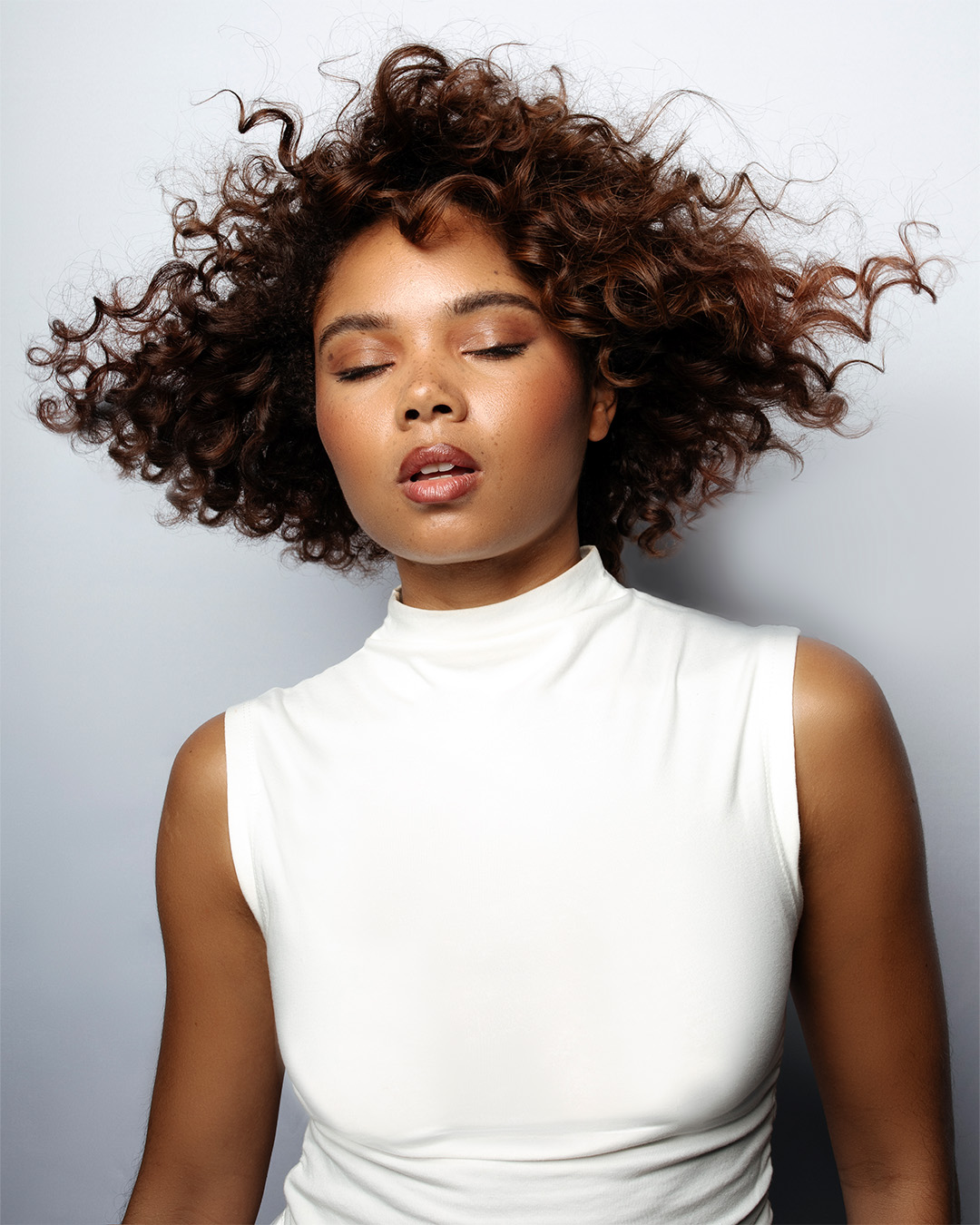
The messy French bob takes that recognisable shape and relaxes it. Rather than looking sharply cut and highly polished, the emphasis is on movement, softness and texture.
Laura Elliott, head stylist and educator at Neäl & Wølf, explains: “Since the messy French bob is much less dramatic than a sharp, precise chop, it allows you to trim a few inches off while still maintaining a soft, effortless shape. The classic French style usually stops at the jawline, but for those not ready to commit, you can dip your toe in and go shorter over time.”
This adaptability is particularly useful in the salon, allowing stylists to interpret the trend according to the client rather than reproducing one rigid shape.
Who Does a French Bob Suit?
One of the strengths of the modern French bob is its versatility. Length, fringe placement, graduation and texture can all be adjusted according to the client's face shape, density and natural movement.
Georgia Bell, INNOluxe superstar and owner of Society salon, says clients are increasingly drawn towards “movement, texture and softness”, while Laura notes that the cut can work particularly well on both fine and curly hair.
For clients with finer hair, maintaining strength through the baseline can help create the appearance of density. Karen Thomson, owner of KAM Hair and Body Spa, says: “This is a particularly great choice for clients with thinner hair types that want to give their hair a thicker appearance.”
However, she adds that the French bob can work equally well on thicker hair, helping to reduce a “boxy” appearance, introduce shape and make the hair more manageable.
How Can You Adapt a French Bob to Different Face Shapes?
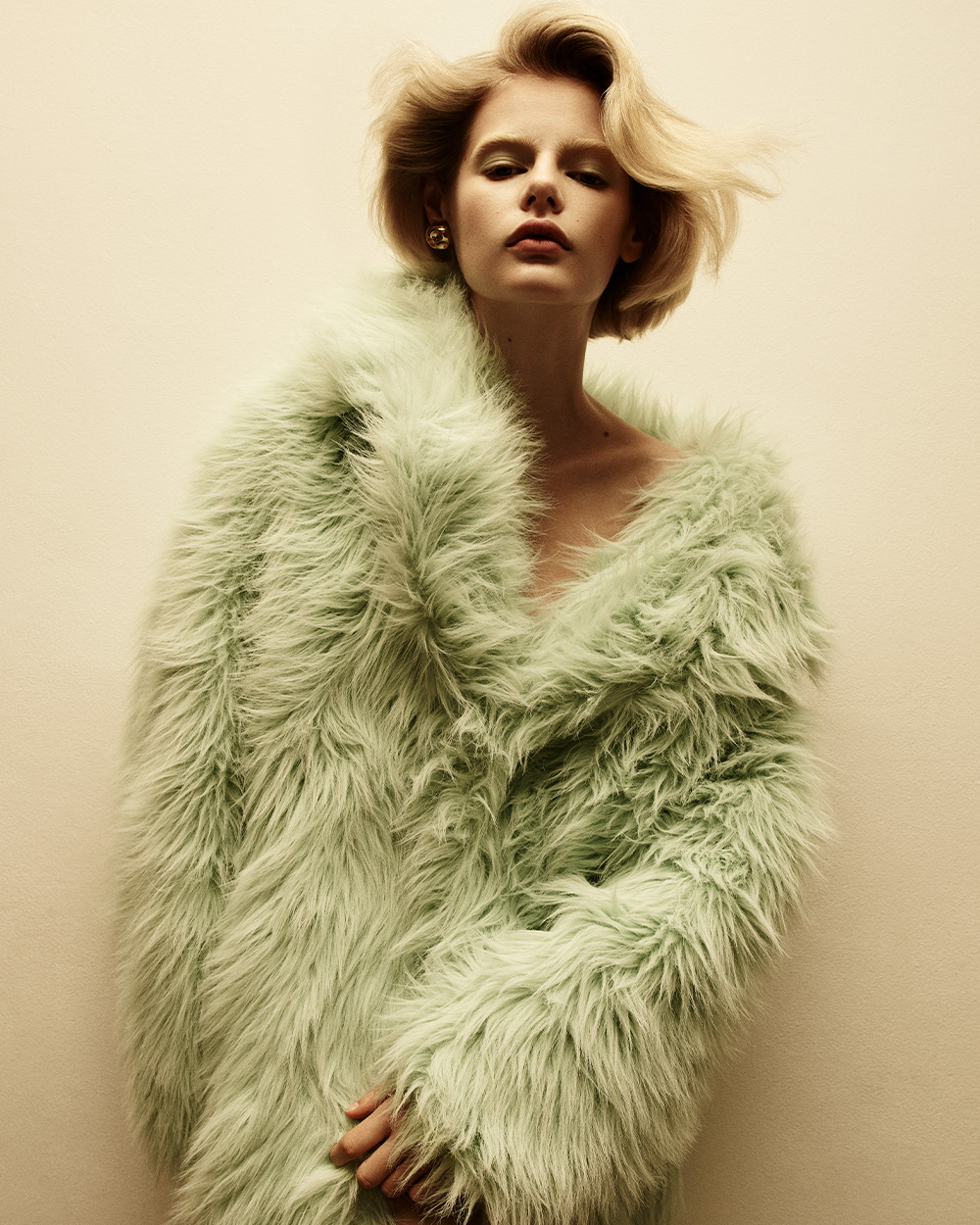
The fringe is one of the easiest ways to personalise a French bob. Tom Berry, advanced director at The Blushes Collective, explains: “You can have split fringes to lengthen the face for square and round, or widen the fringe and make it fuller to shorten longer face shapes.”
The overall length can also be adjusted during the consultation. A client who is hesitant about going dramatically short could start with a longer interpretation before progressing towards the traditional jaw-skimming French bob.
Rather than treating face-shape rules as absolute, consider the overall balance of the haircut alongside the client’s features, texture, lifestyle and preferred styling routine.
How Do You Cut a Messy French Bob?
Despite its effortless appearance, the French bob still requires a considered technical approach. The aim is to create enough structure to retain the recognisable bob silhouette while introducing movement without removing too much strength from the shape.
Darrel Starkey, owner of Taylor’s Hair Studio, explains: “To give it a more bespoke feel, I would work to a small graduation, just to give the look a different dimension and to give it a tailored perception. Working towards a soft textured look, I would determine the client’s specified length and cut it into a one-length bob, adding a few layers to add to the texture.”
And as always, consultation is key before committing to the length. Laura advises: “Firstly, make sure the client specifies the length they want. You can either go for a messy French lob if they prefer something softer and longer, or, if they're feeling more daring, opt for a cut that sits just above the jawline.”
For professionals, establishing exactly where the client wants the perimeter to fall can help avoid ambiguity around terms such as ‘short bob’ or ‘lob’.
Speaking of messy styles, have you heard of The Bixie?
How Should You Style a French Bob?
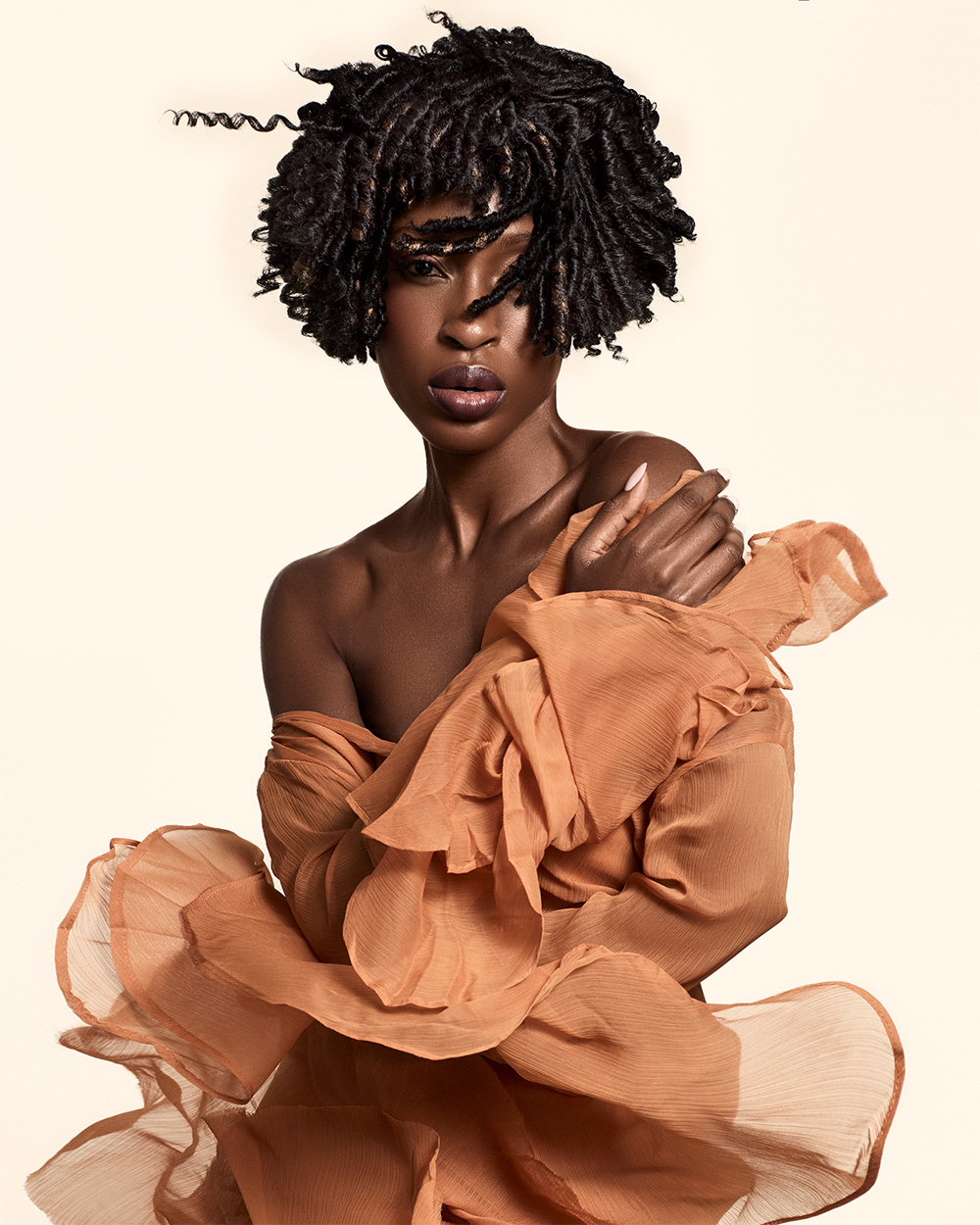
The defining feature of a modern French bob is that it shouldn't appear overly styled. Natural movement, separation and texture are what give the haircut its effortless finish.
Product choice should therefore be guided by hair type. On finer hair, lightweight mousse or volumising products can introduce body without compromising movement. Tom recommends blow-drying finer hair with the head upside down to create width and volume.
For curls, he suggests diffusing selectively rather than creating an overly controlled finish: “The look should be fun and bouncy and shouldn’t look too ‘done’.”
On thicker or straighter hair, a small amount of styling cream or smoothing serum can help control the shape while maintaining movement. Texture spray can then be used to create separation and a slightly lived-in effect.
The objective isn't uniformity. The most successful French bobs retain an element of imperfection, allowing the client’s own texture to become part of the finished look.
How Often Does a French Bob Need Cutting?
Although the styling can be relatively relaxed, a shorter bob relies on its perimeter and proportions to maintain its shape.
For clients who want to keep a defined jaw-length finish, regular maintenance appointments will be important. Laura recommends a trim approximately every six to eight weeks to preserve the shape and soft layers.
Clients who are happy to let the cut evolve can also transition naturally into a longer bob between appointments, making it a flexible option for those who don't want to maintain an ultra-precise short shape.
Why Does the French Bob Remain So Popular?
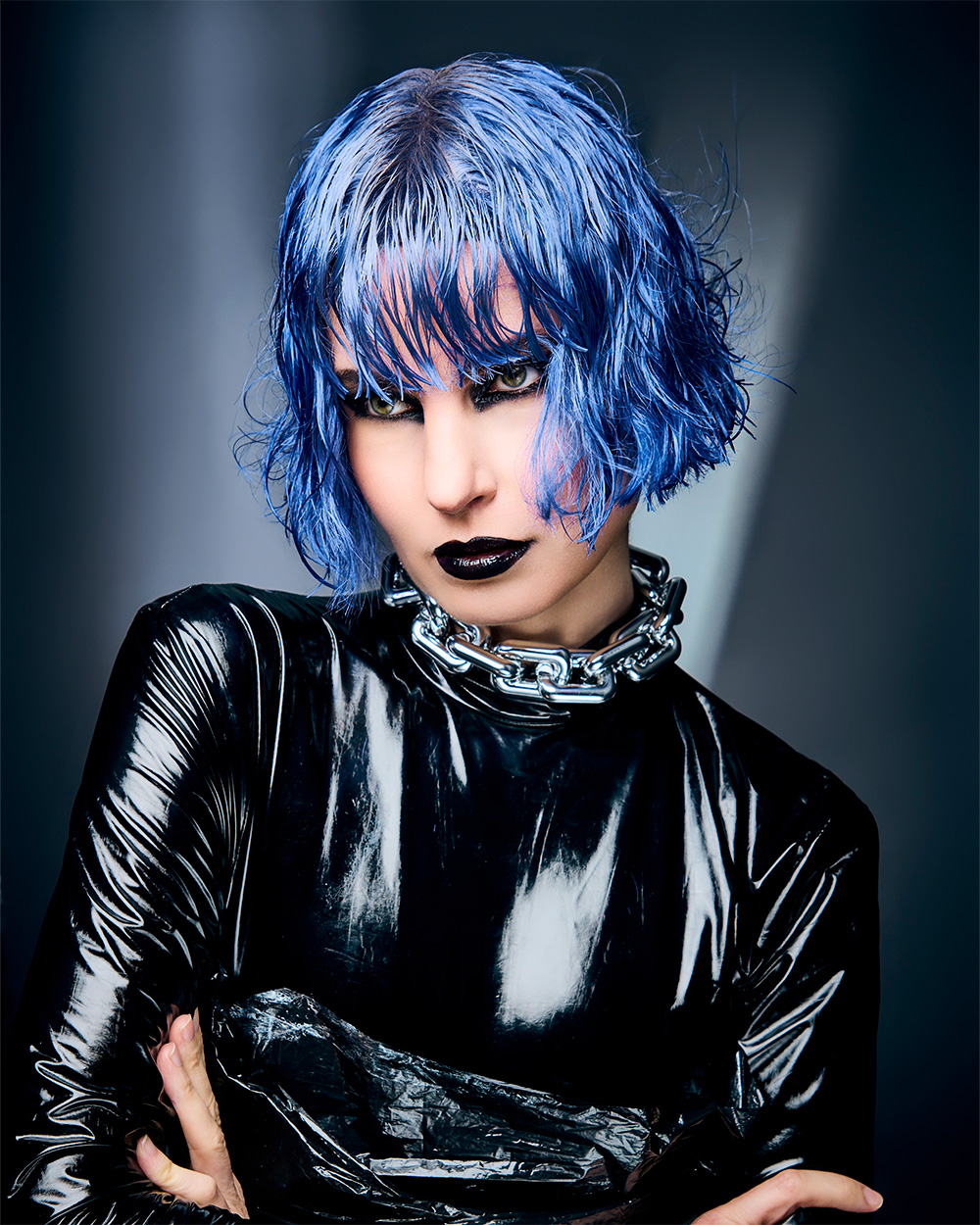
The French bob's longevity lies in its ability to change without losing its identity. It can be sharp or soft, worn with a full fringe or an open fringe, styled smooth or allowed to follow the hair's natural texture.
Brian Leo McCallum, owner of ROAR Hair and Beauty, says: “I think the French bob will always be on trend. We have seen it remain popular throughout the last few years with different variations and takes on the classic style.”
For today's clients, the messy French bob offers another evolution of that familiar silhouette: less about achieving a perfectly polished finish and more about creating a bespoke haircut with shape, movement and personality.