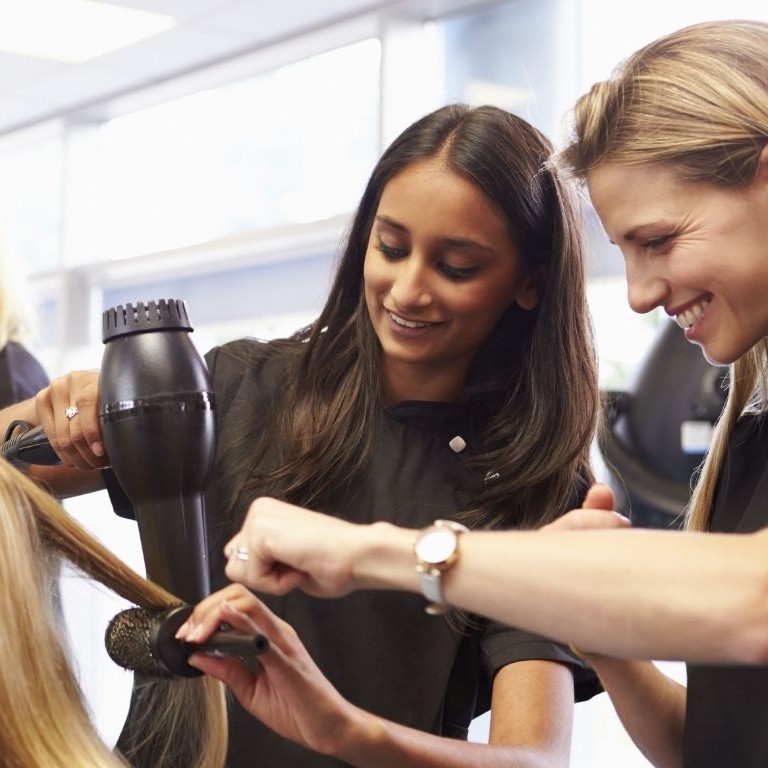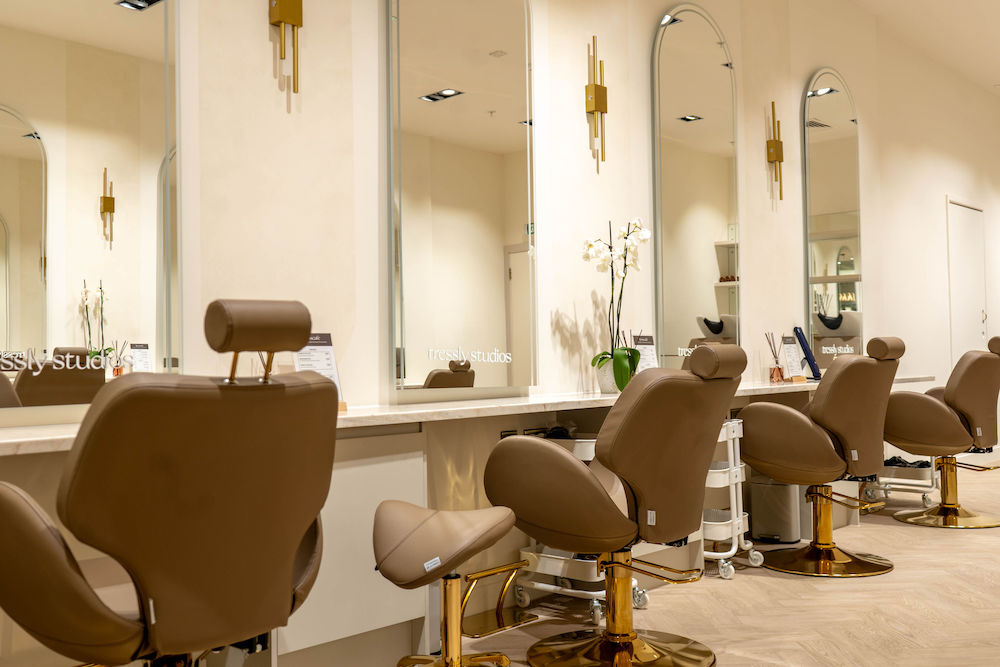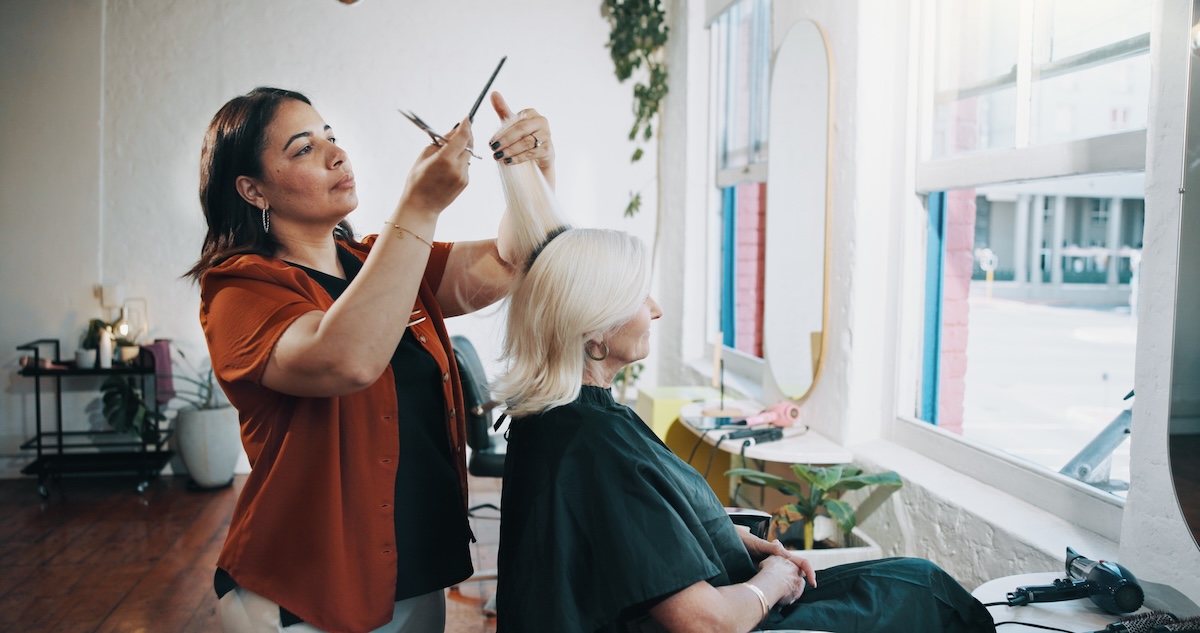
Hair artist and owner of HX Hair, Heffy Wheeler, shares her experiences with neurodivergence and how these have allowed her to bring inclusive conversations to the hair industry.
For many people, a trip to the hair salon is an enjoyable act of self-care, it’s something they look forward to. For others, it can be an overwhelming experience filled with bright lights, loud conversations, strong smells, unexpected touch and social expectations.
As someone who is autistic and has ADHD, I understand these challenges not just professionally, but personally. My own experiences have shaped the way I approach hairdressing and inspired me to create a salon where neurodivergent clients feel welcome, understood, and celebrated.
Recognising Neurodiversity in Hair Salon Experiences
Too often, salons are designed around the needs of neurotypical clients, leaving autistic people, those with ADHD, and individuals with other neurological differences feeling anxious before they even walk through the door.
Neurodiversity is the understanding that brains work in different ways, and that these differences should be recognised and respected creating an enjoyable experience for every client that walks through our doors. Autism and ADHD each bring unique strengths and challenges, and every individual experiences them differently.
Creating an inclusive salon isn't about treating everyone the same, it's about recognising that different people need different environments and approaches to feel comfortable.
HX Hair and Neurodiversity
When I opened HX Hair, I knew I wanted it to be more than just a place to get your hair done. I wanted it to be a safe space where clients could relax without worrying about being judged or misunderstood.
Having lived experience of autism and ADHD means I understand how overwhelming traditional salon environments can be. Sensory overload is real, and something as simple as a hair appointment can become an exhausting experience if the environment isn't considered carefully.
One of the most popular services we offer is our quiet appointments. These appointments remove the pressure of constant conversation, allowing clients to enjoy their treatment in a calm, peaceful atmosphere. For many neurodivergent people, social interaction can be draining, especially when combined with sensory stimulation.
A quiet appointment allows clients to communicate their needs without feeling the need to make small talk or keep the conversation going. It gives them the opportunity to recharge and relax rather than become overwhelmed.
These appointments have also proven beneficial for clients experiencing anxiety, chronic illness, or simply those who want an hour of peace in their busy lives. Not every disability or condition is visible and this reminds us that accessibility often benefits far more people than we initially expect.
Neurodiversity and Communication
Communication is another important aspect of creating an inclusive salon. Every client deserves to know what will happen during their appointment. Explaining each stage of a service, checking consent before touching someone, and allowing clients to ask questions without feeling rushed.
Small adjustments such as dimming lights where possible, reducing background noise, or allowing clients to bring comfort items can transform what might otherwise be an overwhelming experience into a positive one.
When neurodivergent people see businesses openly embracing inclusion, it sends a powerful message that they belong and it will be a safe space for them. That is why I believe it's important to be open about my own autism and ADHD.
Inspiring the Hair Industry to Nurture Neurodivergent Clients
For years, many people felt they had to mask their differences in order to fit into workplaces and social situations. By sharing my journey, I hope to encourage others to embrace who they are and to show that neurodivergent people can build successful businesses while staying true to themselves.
The hairdressing industry is uniquely positioned to make a positive difference. Hairdressers often become trusted confidants, seeing clients regularly and building long-term relationships. By taking the time to learn about neurodiversity, salons can create environments that genuinely support people's wellbeing.
One thing I’ve noticed is that the biggest difference comes from listening. Asking clients if they have any sensory preferences, offering appointment options, respecting communication styles, and being flexible with routines all contribute to making services more accessible. Inclusion starts with empathy.
Neurodivergent Hair Professionals
There is also an important conversation to be had about neurodivergent professionals within the industry. Many talented hairdressers are autistic, have ADHD, dyslexia, dyspraxia, or other neurological differences. These individuals are often some of the best creatives, however, they may also face challenges in traditional training environments or busy salon settings.
Supporting neurodivergent staff by making small adjustments, understanding management, and inclusive workplaces allows both individuals and businesses to thrive. Accessibility shouldn't be viewed as an optional extra, it should be considered an essential part of the client care journey. Every client deserves to feel safe, respected, and comfortable during their appointment.
Being autistic and having ADHD has shaped who I am, both as a person and as a salon owner. Rather than seeing these differences as obstacles, I have learned to use them as strengths. They have helped me build a salon that reflects kindness, understanding, and genuine inclusion.
When we embrace neurodiversity, we don't just improve the salon experience for neurodivergent clients, we create a more compassionate, understanding, and welcoming environment for everyone.
You might also like:
- Championing Inclusivity in Hairdressing Education
- Haircuts4Homeless Fosters Community at Beyond The Pitch Tournament
- What Is Green Hushing and Is It An Industry Issue?