Educating your extensions clients ahead of their holidays and in extreme heat is key at this time of year; here’s what you should be telling your clients about the sun, sea and hair extensions
Summer holidays – or even warmer months at home – can be challenging for hair extension wearers. Sun exposure, chlorine, salt water and even SPF products can cause dryness, tangling and colour changes, particularly in blonde hair extensions. Here's everything hairdressers need to tell clients before they head off on holiday.
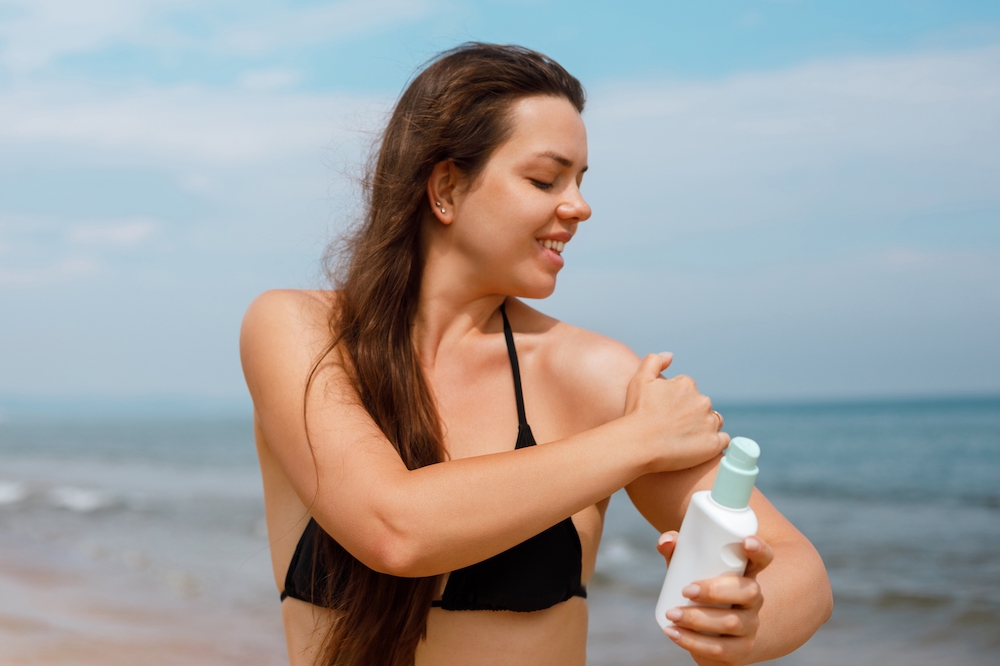
Can Sun Cream Damage Hair Extensions?
Blonde hair and blonde hair extensions are particularly susceptible to discolouration, as lighter shades have typically undergone more processing. While darker hair can also be affected, the colour change is usually far less noticeable.
Why Does SPF Turn Blonde Hair Extensions Pink or Orange?
Certain sunscreen ingredients can react with minerals found in water, leading to unwanted colour changes in the hair.
The two main ingredients associated with this reaction are:
- Avobenzone (Butyl Methoxydibenzoylmethane) – an oil-soluble ingredient used in sunscreen products to absorb UVA rays.
- Octocrylene – a stabiliser that helps prevent Avobenzone from breaking down when exposed to sunlight.
These ingredients are commonly found in sun protection products and can contribute to staining or discolouration when they come into contact with hair extensions.
How Chlorine and Hard Water Affect Hair Extensions
Sun cream is not the only holiday hazard for extension wearers.
Chlorinated swimming pools can strip moisture from the hair, leaving extensions feeling dry and more prone to tangling. Meanwhile, many hotel water systems contain high levels of minerals that can build up on the hair over time.
While clients often focus on avoiding pool water, regular washing during their holiday can also contribute to mineral deposits and unwanted colour changes.
How to Prevent Hair Extension Discolouration on Holiday
“Extensions don’t receive natural oils from the scalp and can become dry more easily, so it’s really important to pack in moisture and nourishment,” explains Victoria Lynch, founder of Remi Cachet. When you combine this factor with external aggressors on holiday, like salt water, chlorine and sun exposure, it not surprising that your clients’ extensions might require some extra TLC. “Recommend they use a lightweight anti-humidity or smoothing product to help control frizz, or a conditioning mist to lock in moisture – such as the Remi Cachet Miracle Mist.”
Here are some extra tips to help clients keep their hair extensions looking their best on holiday:
Tie hair up when applying and wearing SPF
Allow sunscreen to fully absorb into the skin before letting hair come into contact with it
Wear a hat whenever possible
Rinse hair immediately after swimming in the sea or pool
Use professional aftercare products recommended by their stylist
Treat hair regularly with a hard water treatment to remove mineral build-up
Book a maintenance appointment after returning from holiday
Hair Extension Holiday Care FAQs
Can chlorine ruin hair extensions?
Chlorine can dry out hair extensions, cause tangling and contribute to colour changes if left on the hair for prolonged periods. Clients should rinse their hair thoroughly after swimming.
Can sunscreen stain blonde hair extensions?
Yes. Certain sunscreen ingredients, including Avobenzone and Octocrylene, can react with minerals in water and cause pink, peach or orange discolouration, particularly in blonde hair extensions.
Can you swim in the sea with hair extensions?
Yes, but clients should tie their hair back where possible and rinse it thoroughly afterwards to remove salt deposits and minimise dryness.
How do you remove SPF stains from hair extensions?
Chelating treatments, such as hard water remedies, can help remove mineral build-up and reduce staining caused by the reaction between sunscreen ingredients and minerals in water.