As the days get darker and colder, the weather can affect many aspects of our lives, including our hair. From breakage to increased shedding, scalp irritation and colour dullness, the autumn and winter months can take their toll.
Experts share their top tips for keeping clients’ hair healthy and strong throughout the colder months.
Tailor Wash Routine to Scalp Type
Advising clients to wash according to their specific scalp type in winter prevents the scalp barrier from drying out, whilst still managing sweat, oil and fibre build-up, says Jim Shaw, owner and director of TONI&GUY Billericay. "The cool outdoor air and dry indoor heat pull moisture straight from the skin and when your scalp dries out, it overcompensates by producing excess sebum, leaving roots greasy and the ends brittle."
Tailoring your wash routine to your scalp will stop the flaking caused by winter dryness, it will also stop hair strands from becoming weak, dull or static-prone, Jim continues. "In the winter, opt for gentle formulas like sulphate-free shampoos to clean the roots without drying out the skin."
The scalp should be massaged during the shampooing process as this helps boost the scalp's blood circulation and deliver all the good nutrients to the hair follicles while helping to break down stubborn product build-up that can occur over time, says Alex Thaddeus, stylist and owner of Alex Thaddeus Hairdressing.
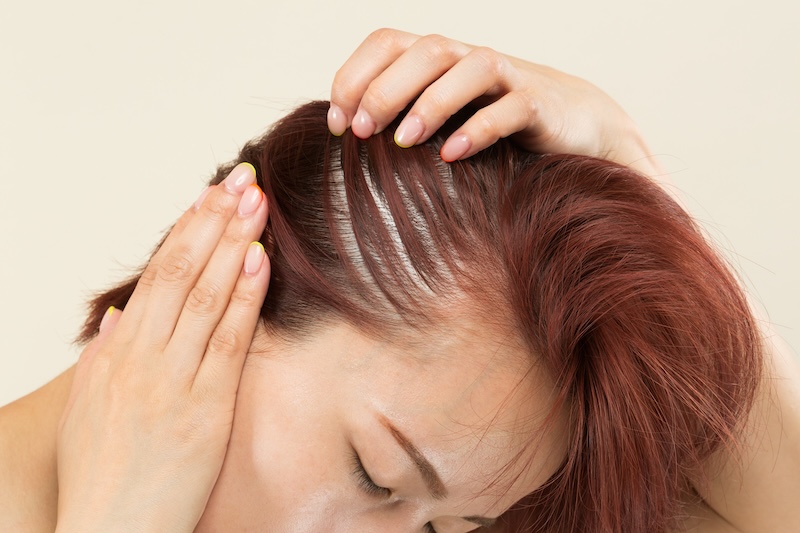
"Nobody’s hair is the same, and therefore, neither should the hair-washing schedule, there is no ‘one-size-fits-all’ hair-care routine, Alex continues. "Clients should be advised to wash their hair in accordance with their individual oil production, exercise and lifestyle, this is also entirely dependent on their individual hair type."
The shift between outdoor temperatures and warm indoor air can dry out the scalp, and friction from wool hats can cause the scalp to become itchy and flaky, says Tracey Ann Smith, MOOD’s Creative Director. "A charcoal-based detoxifying treatment can act as an exfoliating scalp scrub, helping to reduce flakiness," she explains.
"While using a hydrating shampoo is very beneficial, clients should also be recommended to not over-wash their hair, as this can cause it to become dry and dull. It is also best for them to avoid using water that is too hot, since this can strip away natural oils which leads to dryness."
Condition Hair Well
To restore vital moisture that is often lost during winter, advise clients to add a deep conditioner to their washing routine, Jim highlights. "Freezing outdoor air strips natural oils from the scalp and hair shaft. By conditioning well, it helps prevent breakage and makes the hair more flexible, meaning it bends rather than snaps under friction from winter beanies."
Jim recommends even incorporating a leave-in treatment to routine if hair has become especially damaged. These are left in the hair for longer and have a thicker formula, locking in moisture.
The cold can reduce the elasticity of the hair, causing it to become fragile and more prone to breakage, agrees Tracey. "To combat this, it is best to recommend a product that will hydrate the hair, such as a keratin hair mask. This should be applied after shampoo and left in the hair for five to 10 minutes before rinsing. This is a deeply nourishing mask that penetrates the hair and closes the cuticles of even the most damaged hair."
Get Regular Trims and Reduce Heat
Regular trims during the winter can stop split ends, often caused by dry indoor heat, from travelling up the hair shaft, says Jim. Trims remove these weak spots before any structural damage is caused. They also help maintain your style's shape - as hats and scarves can flatten the hair and make styles look uneven, a fresh trim keeps short cuts, fades and longer layers balanced and polished. "Trimmed off damaged, brittle ends also gives the hair a smoother, cleaner look - perfect for those winter parties!"
"Clients should also be mindful of reducing the amount of hot tools they are using when drying and styling their hair, as this could add further damage to the hair", explains Tracey. They should ensure their hair is fully dry before going outside in the cold weather, as wet hair could run the risk of breakage. They should also keep up with regular trims to catch any split ends before they travel further up the hair shaft and snap.
Advise Clients to Keep Hair Away From the Damp
Clients should be advised to keep their hair out of damp atmospheres for long periods of time, as a wet or damp scalp puts the scalp’s pH levels into overdrive and can become a breeding ground for bad bacteria, says Alex. This can lead to scalp infections, hair breakage, moisture overload and damage to the hair follicles and the overall scalp’s health.
"Informing clients of the effects that can occur from leaving their hair in wet styles for too long is important," he continues. "Hair that is wrapped in a bun or tight to the scalp, are the most compromising to the scalp. Instead, recommend they blow dry the roots first on a gentle heat, or if they prefer to air-dry their hair, suggest they give themselves extra time to air dry fully before styling."
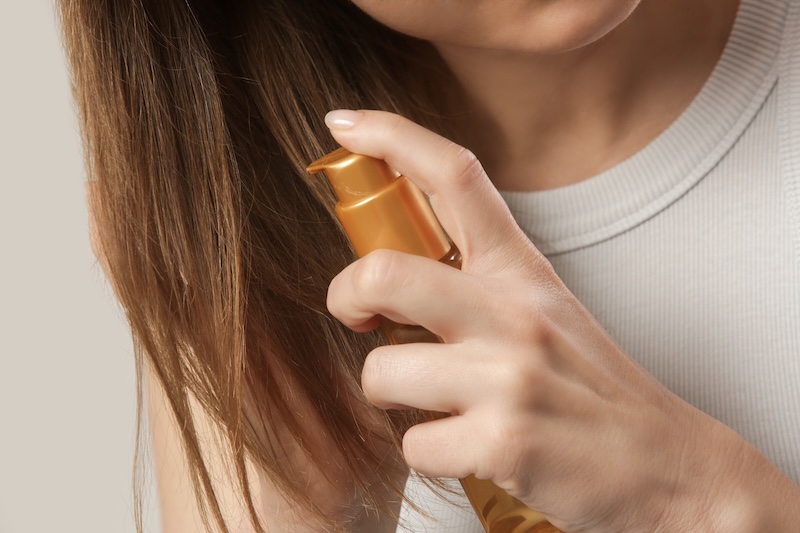
Making Hats Work With the Cut
As the days get colder, hats often become part of our daily outfits, says Jim. "Aligning your winter haircut with how you wear your hats prevent flat spots, reduces friction damage and keeps your style looking sharp. Shorter sides, like a fade or crop, keep hair from bunching up uncomfortably under a tight beanie or cap. Leaving the top slightly textured, rather than heavily stiffened with gel, stops hats from making awkward, immovable dents."
When you take off your hat indoors, Jim explains, a structured cut bounces back naturally instead of looking matted to your head. For styling, skip the heavy gels and use a light matte paste or sea salt spray instead so the hair remains flexible under pressure.
Feed Hair From the "Inside Out"
Having a well-rounded and nutritious diet is vital to improving skin and hair health, and the skin on your scalp is no different, Jim advises. If a client comes to you asking for help in improving scalp health, we should advise them to prioritise eating healthy fatty acids, proteins, iron, zinc minerals and lots of vitamins for improving the scalp's health.
"Ensuring their body's blood levels are sufficient in B12 and iron are important. Staying hydrated is essential to maintain the skin's moisture and avoid any unwanted scalp dryness."
Working with Blonde Clients This Autumn and Winter
With autumn and winter comes muted light and duller-looking hair colour, according to L’Oréal Professionnel Global Ambassador Jack Howard.
“The cooler, softer winter light tends to slightly mute hair colours, making them appear less vibrant compared to how they look in the brighter, more direct light of summer,” he explains. “This means that blondes look duller, reds are less vibrant and brunettes more muted. Warm hair colours look flatter, and blondes are not as bright.
“On top of this we tend to spend more time indoors - and indoor lighting, as every hairdresser knows, is problematic, as clients don't actually get to see their colour in a more genuine light,” he adds.
In the summer we tend to feel brighter and hair colour looks richer, and in the wintertime it’s slightly cooler and flatter, so it’s important to change up the colours every season. “During the consultation, have a conversation about seasonal changes, the importance of adding depth and the impact the daylight has on the hair colour.”
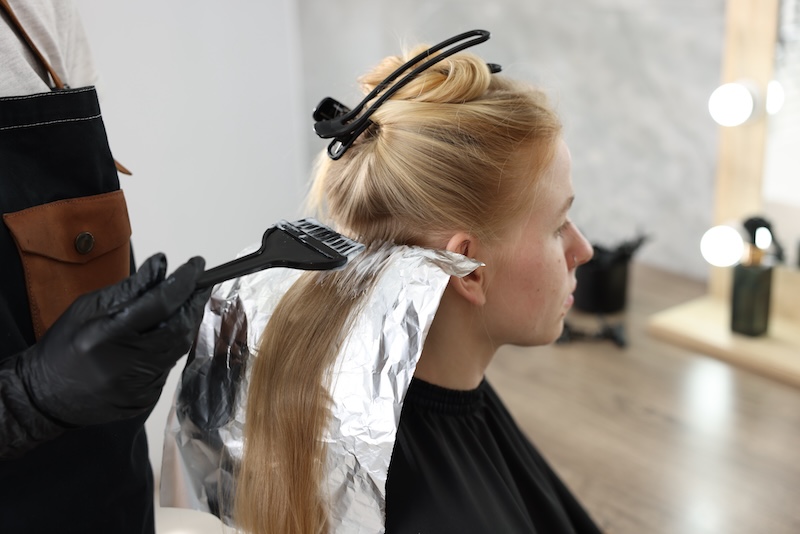
Jack recommends:
- Adding contrast and depth to blonde hair to keep it looking bright and impactful.
- When glazing, adding a little bit of warmth can add a real sheer shimmer to the hair – and it doesn’t have to be over-the-top-warmth either.
- On his blondes, Jack usually use L’Oréal Professionnel Dia Light clear and a little bit of Dia Light 8.34 for that golden copper shimmer.
- The more warmth you’re adding, the brighter it will feel.
- Hair has to be in good condition, and a product such as L'Oréal Professionnel Metal Detox removes metals and keeps colour looking brighter for longer."
- Brunettes and brondes need to have shine and depth; depth is your BFF for hair to look rich and healthy, so keep away from super-cool tones.
Lead Image: Jack Howard
You might also like:
- What Are The 5 Most Searched Winter Hair Problems?
- What are the Autumn and Winter 2026 Predicted Hair Trends?
- The Seasonal Switch-Up: How Hair Salons Can Use Décor to Attract Clients