Schwarzkopf Professional’s Hair Challenge Index 2026 compares water hardness, UV exposure, air pollution and humidity across 41 European cities to explore how environmental conditions can affect hair health
Alongside seasonal changes, environmental factors such as water hardness, ultraviolet (UV) radiation, air pollution and humidity can also influence the condition and appearance of the hair.
Schwarzkopf Professional has explored these factors in its Hair Challenge Index 2026, an analysis comparing environmental conditions across 41 major European cities. The report examines how these factors vary by location and what they could mean for hair condition and professional haircare recommendations.
According to Schwarzkopf Professional’s findings, Nicosia in Cyprus, Valletta in Malta and Athens in Greece ranked among the cities presenting the greatest environmental challenges for hair. Helsinki, Oslo and Stockholm, meanwhile, ranked among the cities with the most favourable conditions.
Here, we explore the four environmental factors examined in Schwarzkopf Professional’s report and how they can affect your clients’ hair.
How Does Hard Water Affect Hair?
Water hardness refers to the concentration of minerals, particularly calcium and magnesium, in the water supply. When hair is regularly exposed to hard water, mineral deposits can accumulate on the hair fibre, potentially affecting its feel, appearance and manageability.
Clients may notice that their hair feels dull, rough or difficult to comb, while mineral build-up can also complicate cleansing and affect the appearance of colour-treated hair.
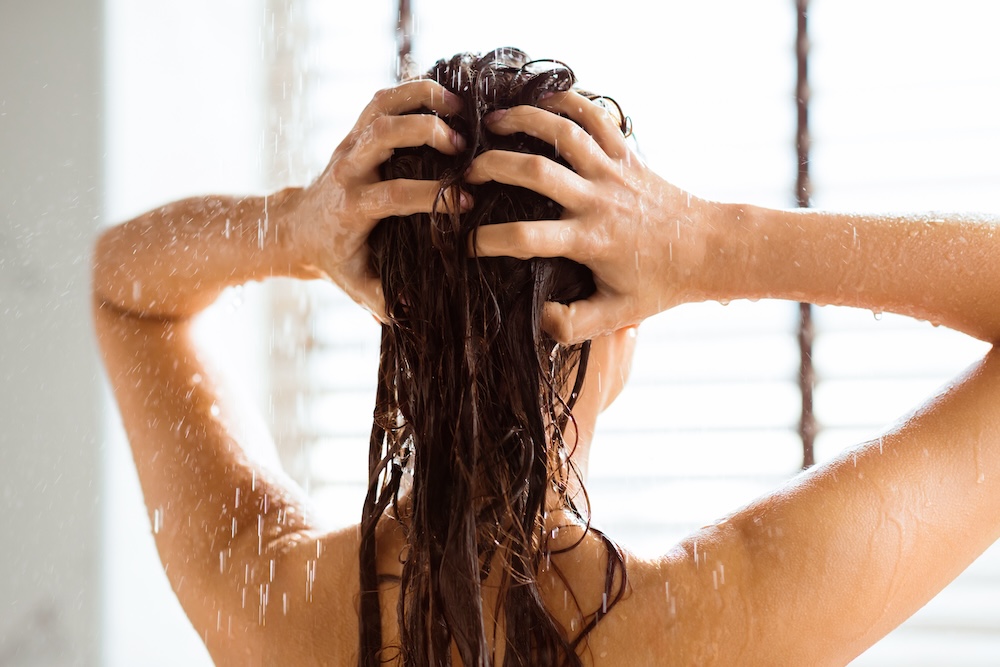
Schwarzkopf Professional’s Hair Challenge Index 2026 identified Nicosia in Cyprus and Rome in Italy among the European cities with the highest water hardness. Helsinki in Finland, by comparison, ranked highly for soft water.
For hairdressers, understanding local water conditions can help inform consultations about product build-up, cleansing routines and the most appropriate maintenance advice for individual clients.
How Does UV Exposure Damage Hair?
UV radiation can affect the hair fibre by damaging its proteins and pigments. Over time, exposure to sunlight can contribute to changes in colour, reduced strength and increased dryness, particularly in lightened or chemically treated hair.
Schwarzkopf Professional’s report identified Nicosia in Cyprus and Valletta in Malta among the cities with the highest UV exposure. London ranked favourably in this category, recording the lowest UV levels among the cities assessed.
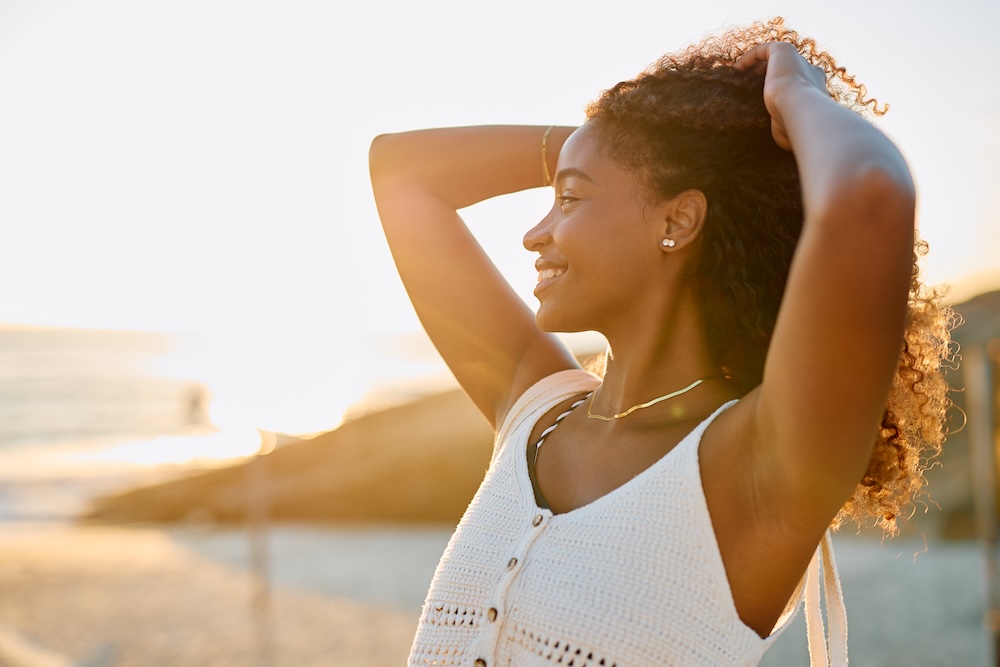
For salon professionals, this highlights the importance of considering sun exposure when recommending haircare routines, particularly for clients who spend extended periods outdoors or have colour-treated hair.
How Does Air Pollution Affect Hair and the Scalp?
Airborne pollutants and fine particulate matter can settle on the hair and scalp. Research suggests that pollution, particularly when combined with UV exposure, can contribute to damage to the hair fibre. Pollutant build-up may also affect how clean and comfortable the hair and scalp feel.
Schwarzkopf Professional’s Hair Challenge Index 2026 ranked Bucharest in Romania among the cities with the highest air pollution levels. Tallinn in Estonia and Stockholm in Sweden ranked among the cities with the lowest pollution levels in the analysis.
For hairdressers, these findings provide another consideration when assessing a client's scalp and haircare needs. Advice on cleansing frequency and product selection should take into account the client's scalp condition, hair texture, lifestyle and exposure to environmental pollutants.
How Does Humidity Affect Hair?
Humidity describes the amount of moisture in the air. Changes in humidity can influence how hair behaves, affecting its shape, texture and manageability.
Hair responds to moisture in the surrounding environment as water interacts with the hair fibre's structure. Depending on its texture, porosity and styling, hair may become frizzier or lose its shape in humid conditions. Fine hair, for example, may struggle to maintain volume, while more porous hair can be particularly susceptible to frizz.
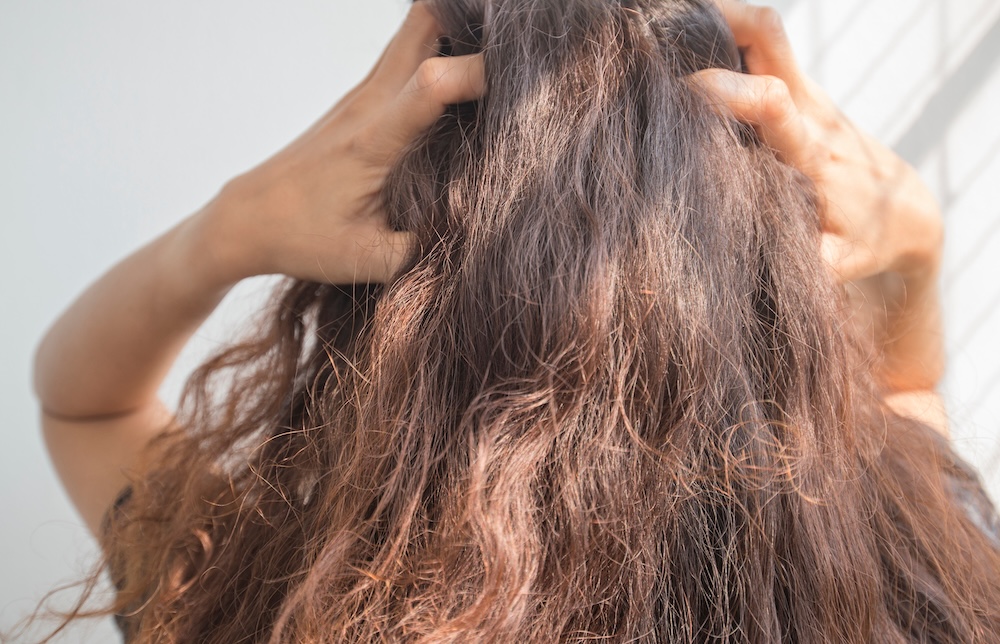
According to Schwarzkopf Professional’s findings, Valletta in Malta recorded the highest humidity levels among the cities assessed. Madrid in Spain and Oslo in Norway recorded the lowest.
For salon professionals, understanding how humidity affects individual hair types can help inform styling techniques and recommendations for products designed to manage frizz, maintain definition and improve style longevity.
Which European Cities are the Toughest on Hair?
Schwarzkopf Professional’s Hair Challenge Index 2026 identifies the following cities among those with the greatest and least environmental challenges for hair.
Cities presenting the greatest challenges for hair:
- Nicosia, Cyprus
- Valletta, Malta
- Athens, Greece
Cities with the most favourable conditions for hair:
- Helsinki, Finland
- Oslo, Norway
- Stockholm, Sweden
The rankings reflect the combination of environmental factors considered in Schwarzkopf Professional’s analysis, rather than a guarantee of how an individual's hair will respond. Hair condition is also influenced by factors such as texture, porosity, chemical treatments, styling habits and existing damage.
For hairdressers, the findings underline the value of taking a personalised approach to haircare. Considering a client's environment alongside their hair history and styling routine can help professionals offer more tailored advice on maintaining the condition and manageability of the hair.
You can access the full study here.