Jenny Miles from Scruffs Sensory Barbershop chats through creating a welcoming, sensory-friendly space where every client feels comfortable and understood.
"I’ve been in the hairdressing industry for 33 years, but about 10 years ago, as awareness around autism began to grow, I started focusing more on working with children and adults who have additional needs. I’d always dreamed of opening my own salon, and last year that dream finally came true. I feel incredibly lucky that it took off straight away.
While I still do all aspects of mainstream barbering and hairdressing, my real passion lies in supporting clients with sensory challenges. Over the years, the collective experience of seeing how some salons struggled to handle sensory meltdowns and how stressful that could be, inspired me to open Scruffs. I wanted a space where families could come in and feel comfortable. Everyone who visits knows what we’re about, if a child has a meltdown, there’s no need to apologise or feel embarrassed. No one is judging; it’s a safe, understanding environment. Adults with sensory sensitivities or anxiety around haircuts also find comfort here, thanks to an approach that removes stress from the experience.
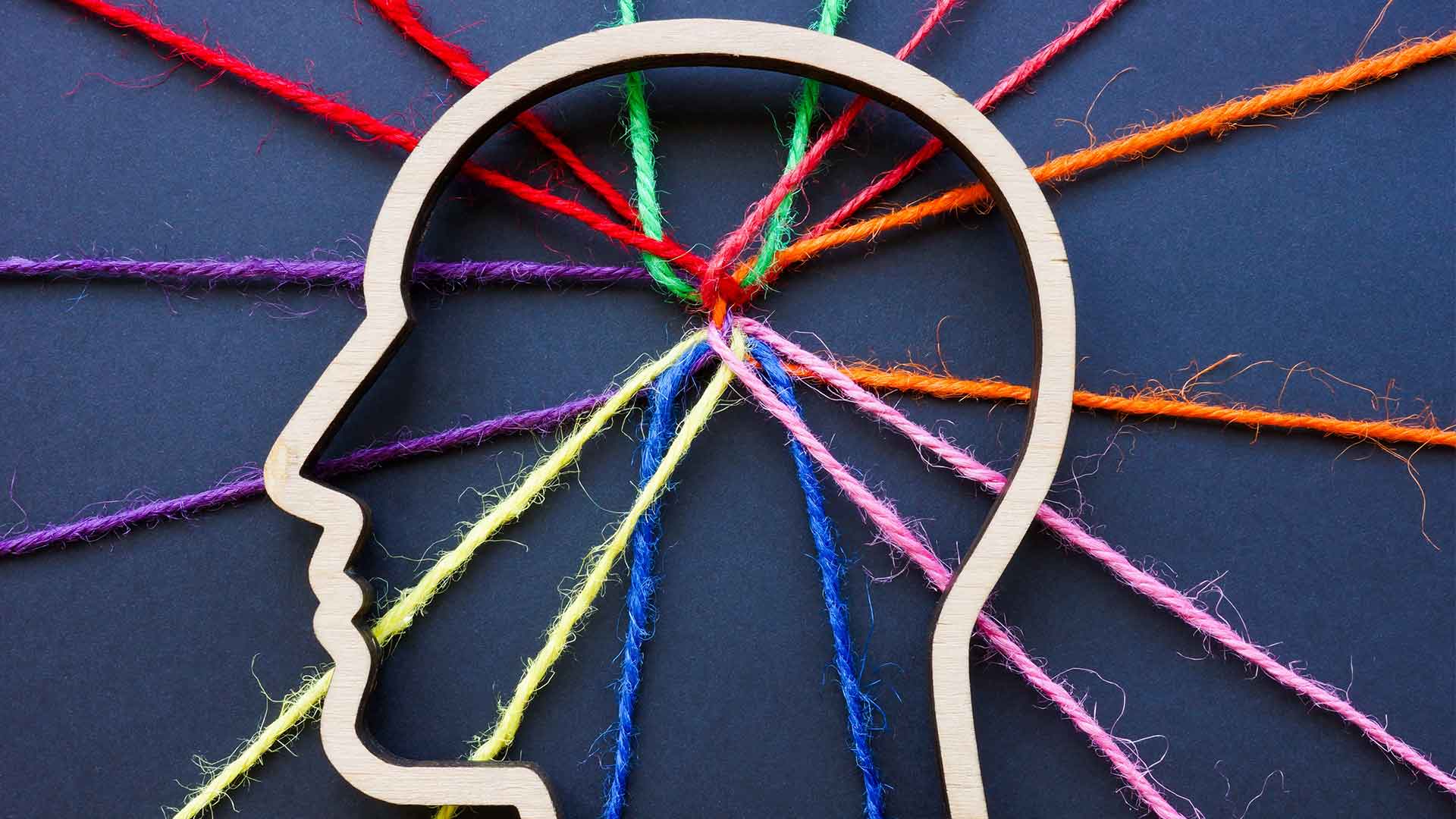
To better understand and support my clients, I completed several courses on autism and mental health. That training has been invaluable because when you’re working with people who have sensory sensitivities, you really do need to try and see the world from their perspective. For someone with sensory issues, a haircut can be an overwhelming experience: a new environment, unfamiliar people, strange smells, noises, and sensations.
Traditional hairdressers and barbershops are often busy environments where clients might see whichever stylist is available, and the focus is more on the haircut, colour or style. Sensory barbering is completely different. Every detail matters from the moment a client walks through the door. One person might enjoy having the TV on and bright lights, while another may be sensitive to sound, touch or light. Each appointment is tailored to that individual. I take time to get to know who’s coming in, what they like, and how they communicate. I let clients hold the clippers, feel the tools, and I explain everything before I do it. It’s the little things that make the biggest difference.
“Sensory barbering isn’t just for people with autism, it’s for anyone who benefits from a more personalised, thoughtful approach.”
Moving forwards, I strongly believe sensory barbering and hairdressing should be part of standard training from day one. Even a short six-week module would make a huge difference. Regular team training days focused on sensory awareness or offering extended appointment times would help too. When staff understand and adapt to clients’ needs, it transforms the experience and makes the industry more inclusive. Incorporating mental health awareness is also crucial, I always encourage open conversations, and many clients tell me they leave feeling lighter. That emotional connection is an important part of the service we provide.
Sensory barbering isn’t just for people with autism, it’s for anyone who benefits from a more personalised, thoughtful approach. Awareness of sensory-friendly hairdressing is definitely growing and gaining media attention, which is fantastic to see. But there’s still a long way to go. Ideally, extended or quieter appointments should become standard options in mainstream salons. It’s not about changing everything, it’s about raising awareness and making the industry more accessible for everyone."