We get down to the nitty gritty with industry experts to reveal the trends, techniques, and innovations shaping hair extensions in 2026
For years, hair extensions were synonymous with dramatic transformations and instant length. Today, however, the service has evolved into one of the most personalised and technically considered offerings in the salon. Clients increasingly expect solutions that prioritise hair health, create seamless results and address concerns such as thinning, density loss and colour enhancement without compromising their natural hair.
As expectations continue to rise, so too does the opportunity for salons. By embracing new technologies, refined consultation processes and bespoke installation methods, hairdressers can position extensions as a premium service that delivers long-term value for both clients and businesses.
Hair Extensions are Becoming More Personalised Than Ever
One of the biggest shifts shaping hair extensions in 2026 is the move away from standardised installations towards completely bespoke services. Rather than offering extensions purely for length, salons are increasingly creating tailored solutions that enhance volume, disguise thinning, introduce colour without chemicals and support clients throughout their hair journey.
"Extension methods have evolved significantly," says Sarah Ethel, Sarah Ethel Hair, Dublin. "It's no longer just about a quick fix or instant length. The focus has shifted towards healthy, customised methods that support a client's overall hair growth journey. By using improved application techniques and prioritising scalp health, maintenance and aftercare, we can protect the natural hair while still delivering beautiful, confidence-boosting results."
Victoria Lynch, Founder of Remi Cachet, agrees, explaining that extensions are becoming recognised as a tailored solution rather than a one-size-fits-all service. "The trends have shifted towards extensions delivering a solution for volume, density and colour transformations and really customising every look to an individual's needs."
For salons, this creates opportunities to attract a wider client base, from those wanting fuller hair to clients seeking subtle enhancements instead of dramatic transformations.
Hybrid Hair Extension Methods are Leading The Way
As demand for personalisation grows, hybrid application techniques are becoming increasingly popular. By combining different methods – including wefts, tapes and bonds – stylists can create bespoke placements that suit individual hair types, lifestyles and desired outcomes.
"I love working with hybrid methods," says Pamela Docherty, owner of Peeky & Ty Glasgow. "Since the launch of the Great Lengths Weft Linea, I'll often use a weft through the back to create that lovely thick feel and then scatter bonds or baby bonds through the sides to blend everything beautifully."
She adds: "Having a variety of methods means we can really tailor the service to what works best for their lifestyle, hair type and goals."
This flexible approach also helps salons maximise premium extension services while ensuring clients receive results that feel lightweight, natural and comfortable.
Why Consultations Matter More Than Ever
As extension services become increasingly customised, consultations have never been more important. Beyond discussing colour and desired results, today's consultation should assess scalp condition, hair density, lifestyle, maintenance commitment and any medical contraindications before deciding whether extensions are appropriate.
"For me one of the most important parts of the service definitely starts at the consultation," says Tracy Roche, Director of Kingsgrove. "It is important to thoroughly assess the client's hair and scalp... We also go through their medical history making sure there are no contraindications."
Similarly, Inanch Emir, Inanch London, explains: "It's important to understand not only what a client wants to achieve, but also what their hair can safely support."
For many professionals, that may even mean advising against extensions if they're not currently in the client's best interests – a decision that ultimately builds trust and long-term loyalty.
Hair Health is Driving Demand
The growing industry focus on scalp health is changing why clients invest in extensions. Rather than simply requesting extra length, many clients are now seeking discreet volume solutions to address thinning caused by genetics, menopause, medication or other health conditions.
"We're seeing more clients come to us specifically for density services rather than length," says Kirby Blythe of Hair by Kirby Blythe.
Meanwhile, Victoria Lynch highlights growing demand linked to menopause and GLP-1 medications. "With the rise of GLP-1 related hair loss and the increased conversations around menopausal thinning, extensions are the hero."
This shift reinforces the importance of thorough consultations, education and selecting methods that prioritise the integrity of the natural hair.
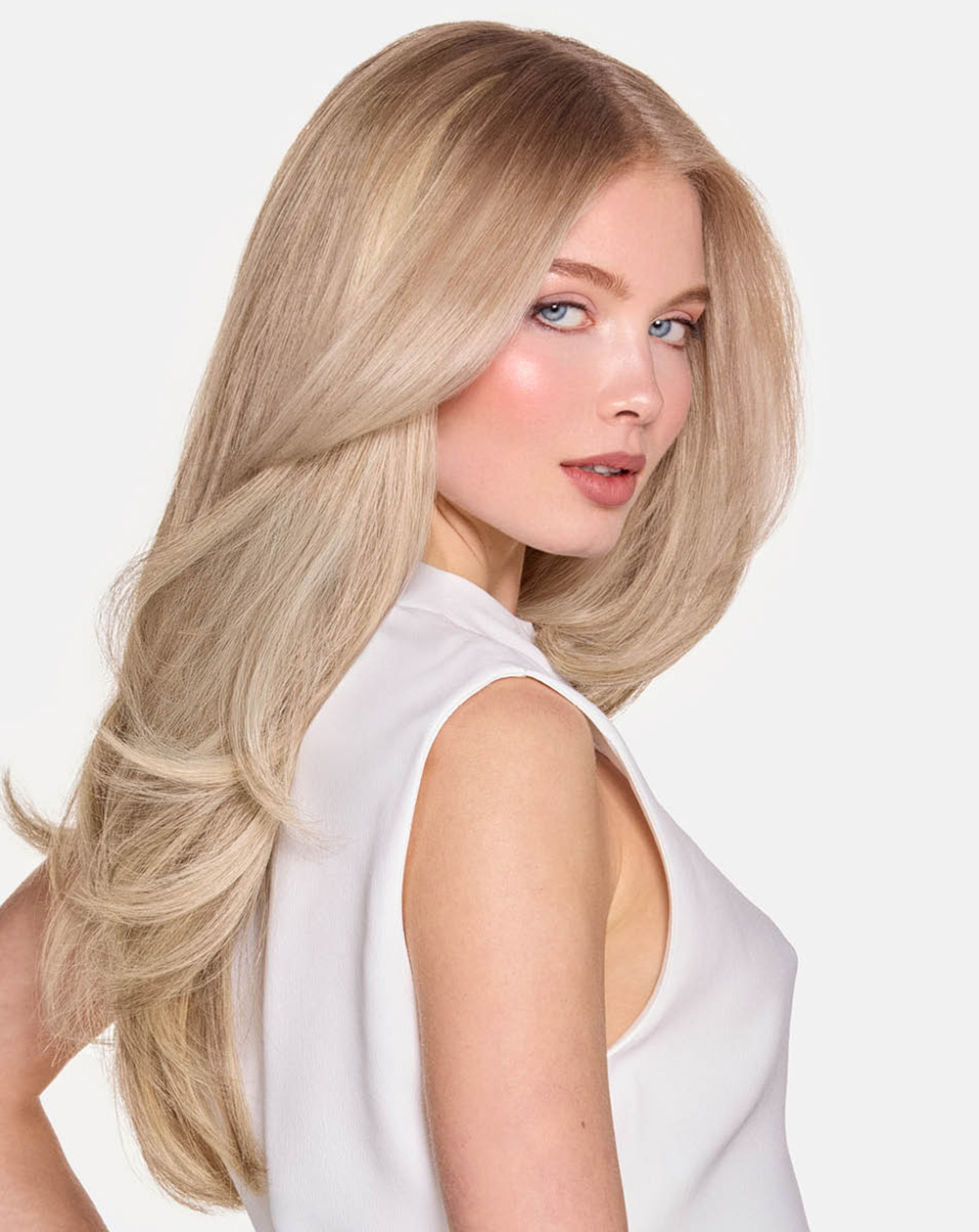
Technology Continues to Reshape Professional Hair Extensions
Innovation though, remains one of the biggest drivers behind modern extension services. Today's systems are lighter, flatter and more discreet than ever before, while improvements in ethically sourced Remy hair and textured hair options allow stylists to create even more personalised results.
"One of the biggest advancements has been the development of smaller, lighter and more discreet attachment methods that place less stress on the natural hair," says Inanch Emir.
Johnny Yip, Managing Director of Zen Hair Extensions, also believes comfort is becoming a deciding factor."Stylists are moving away from rigid full-head formulas and instead creating tailored placement plans designed specifically for the individual client."
Extensions are Becoming a Colour Service Too
Hair extensions are also opening new creative opportunities for colourists. Instead of chemically lightening or colouring natural hair, extensions allow clients to experiment with dimensional blondes, coppers or fashion shades while protecting hair health.
"We love using coloured hair extensions for clients who want to experiment with lighter pieces, dimensional colour or fashion shades without chemical processing," says Sharon Johnstone, Owner at Hair Couture.
With multi-tonal copper expected to remain a key trend into Spring/Summer 2026, extensions provide salons with another way to offer trend-led colour while preserving the condition of natural hair.

The Future of Hair Extensions is Bespoke
The biggest takeaway from 2026's hair extension trends is that personalisation is now the benchmark. Whether creating subtle density, supporting clients experiencing hair loss, delivering colour without chemicals or combining multiple installation techniques, today's extension specialists are designing services around individual needs rather than following a standard formula.
For professional hairdressers, investing in consultation skills, education and innovative methods won't simply improve results – it will help future-proof one of the salon's fastest-growing premium services.
You may also like:
How Hair Extensions Can Enhance Your Client’s Hair Without Just Adding Length
What Clients Need to Know About Sun, Sea and Hair Extensions
Five Ways to Promote Hair Extension Services All Year Round
Lead image credit: Remi Cachet