The wolf cut is set to be one of the most requested styles in salons this year, led by actress Mika Abdalla's character in the viral Amazon TV series: Off Campus.
Seen on the likes of Miley Cyrus, Cara Delevingne, Suki Waterhouse, and new It Girl, Mika Abdalla, it’s a cut that looks edgy and statement-making, but one of the reasons it’s gained such popularity is how wearable it actually is.
Part shag, part mullet, it combines choppy layers with movement and volume, making it adaptable to a wide range of hair types and client lifestyles. The style is defined by textured, unblended layers, with shorter pieces at the crown adding lift and longer lengths creating natural movement.
For stylists, it’s a cut that can be tailored to each client: fine or straight hair benefits from the added volume from carefully layered crown sections, wavy or curly hair is enhanced when the layers follow the natural curl pattern to encourage shape without adding bulk, and thicker hair can be shaped with longer layers to remove weight while keeping fullness and texture.
Subtle point-cutting and texturising at the ends are key to creating that lived-in, effortless movement that defines the look. Here, experts weigh in on the trend and give their tips on layering, texturising and working with different hair types...
What is the "Allie-Cat" Cut?
Expect a boom in client requests for the Long Wolf Cut (or "Allie-Cat" cut), inspired by Mika's Off Campus character, Allie Heyes. "The Allie-Cat is all about softness, texture and effortless movement", says hair stylist Rachel McWhirter - a modern, softer take of shag and wolf cuts.
Jude Taylor, OSMO ambassador and curly hair expert, explains that this cut is "a perfect blend between looking super styled but also low maintenance. "I’d class this as a 70s style shag cut, fringe, heavy face framing, keeping the length but adding some disconnected short layers for that ultimate shaggy look."
Shaped in diamond, long graduation layers, Jude recommends using a point cutting technique to create a soft blend with the layers while maintaining the touseled, disconnected look and lived-in fringe.
Credit: @marisacuts/Instagram
How to tailor the Allie-Cat Cut to different hair types?
"The key is tailoring the layering, fringe and length to suit the individual’s hair density, texture and face shape, rather than copying the trend exactly," says Rachel Feltham, hairdresser and educator at Rachel H Hair Studio. "The best results come from adapting the look to the client’s hair, not expecting their hair to adapt to the trend."
For clients with thick or heavy hair, advises Diana Carson, artistic director of Rainbow Room International, the long Wolf Cut offers a softer, more textured option. Longer layers remove weight while keeping the cut full and dynamic, and pairing the style with shaggy bangs adds dimension.
This cut is perfect for anyone with textured hair, says Jude. For at-home styling advice, he tells his clients to use a salt spray to create texture and enhance the waves and curls, then recommends diffusing on a medium heat and low speed to ensure frizz is kept as a minimum.
To finish the look, Jude advises serum for keeping frizz at bay and a spritz of hairspray to hold the style longer without that crispy feel.
@mika.abdalla/Instagram
On naturally curly or wavy hair, cutting according to the growth pattern prevents unnecessary bulk, and layering strategically through the mid-lengths and ends ensures movement while maintaining structure. This version gives clients a wearable look that still has personality, and it’s ideal for those who want a more flowing, adaptable style.
Indola’s UK ambassador Sian Roscoe adds that adding a light mousse for a bit of hold will help achieve the look. "I would work that through wet hair, comb through the hair, flip the head upside down, and scrunch with a towel. Then just towel dry with a scrunch towel and diffuse. To finish, Sian recommends a hairspray and texture spray to mattify the hair, to achieve "that rough movement to it".
For straight hair, Sian suggests working "a medium to small tong through the hair, keeping it quite flat, holding it vertically rather than horizontally, and just work through really loose waves. "
Rather than brushing the curls, comb through with the fingers and really work the hands into it to get that raw texture.
The Mid-Length Wolf Cut
The mid-length version is the most versatile interpretation and will suit a wide range of clients, recommends Diana.
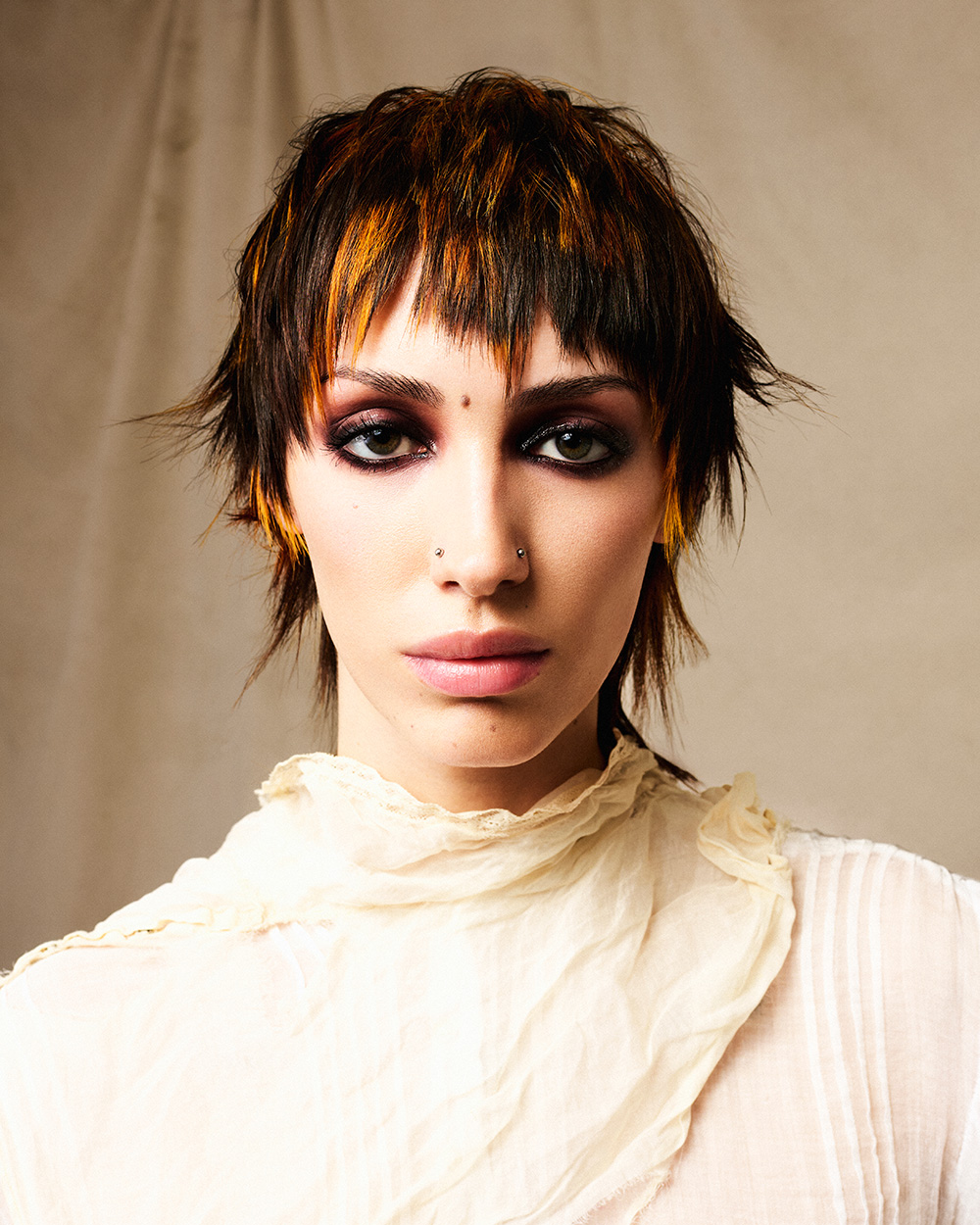
The layers are choppy but controlled, with slightly shorter crown sections to create subtle lift, and lengths typically fall around the collarbone. For wavy or curly hair, cutting in line with the natural pattern ensures the layers enhance the texture without adding bulk, while on straighter hair, point-cutting at the ends adds movement and body.
This is the version clients can experiment with, wearing it polished or tousled, and it’s approachable while still feeling modern and edgy. It’s the cut where stylists can really show their skill in blending texture and shape without overworking the hair.
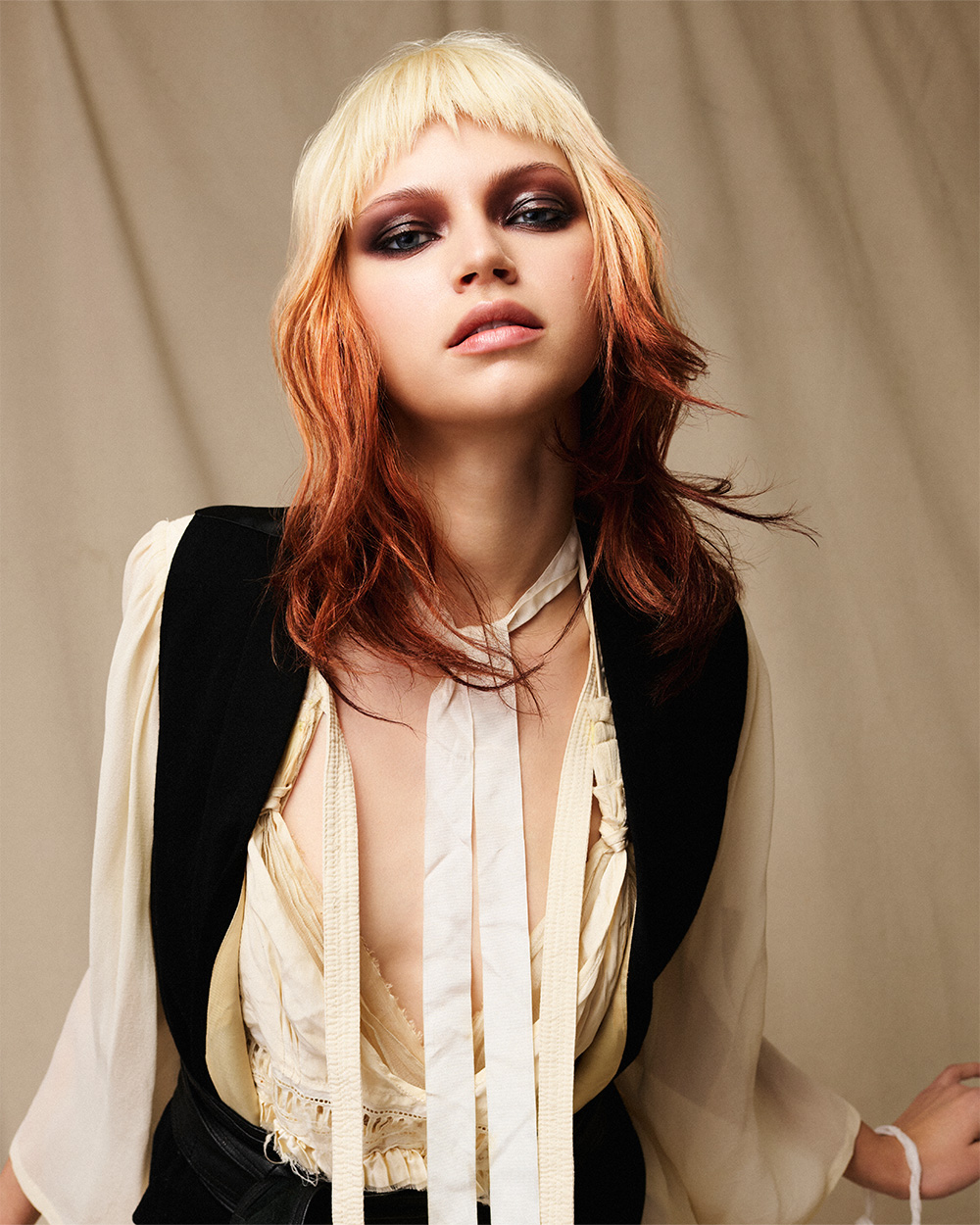
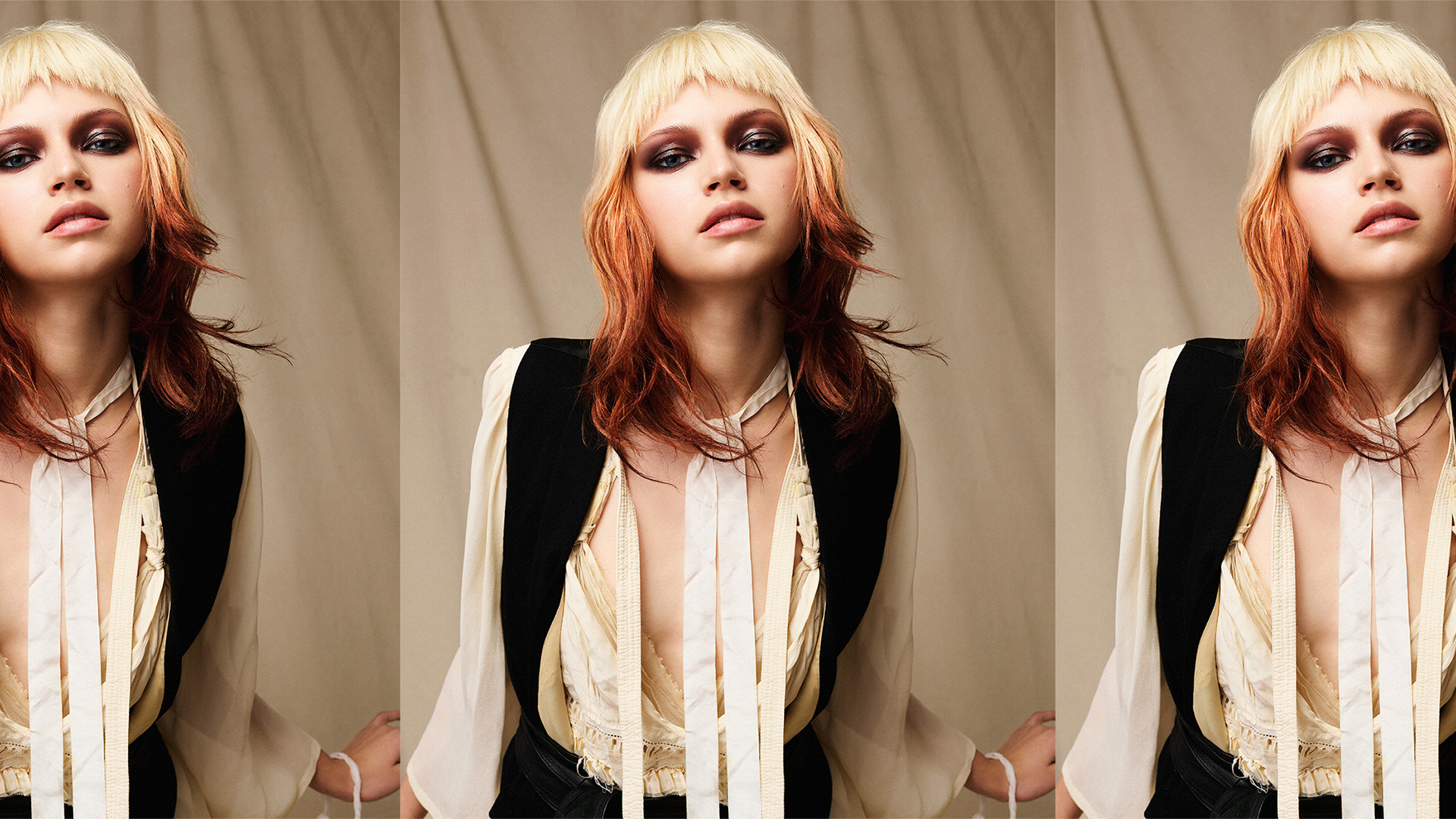
Short Bixie Wolf Cut
The Short Bixie Wolf is a bolder take on the trend.
Diana explains that with shorter layers at the nape that gradually blend into longer, choppier pieces, it creates a strong, confident shape that works particularly well on fine or straight hair. The crown is layered strategically to lift and prevent the cut from looking flat, while the ends are lightly texturised to enhance natural movement.
Styling is simple: a light texturising product or cream can be scrunched through the hair to define the layers and bring out the tousled effect. It’s a look that immediately gives attitude while remaining practical for clients and manageable in salon finishes.
Creating the Wolf Cut on Textured Hair
Textured Hair Specialist and Owner of Fusion Hair Co, Chris Grimley, agrees that the wolf cut style works well for those with textured or afro hair: "The strategic, choppy layers help enhance the natural curl pattern, rather than fighting against it."
Moisture is your best friend when it comes to a curly wolf cut, says Chris, so start by applying a curl cream or gel, which will help define the style. Work through section by section with a bounce back brush, these are specifically designed for wavy, curly or coily hair types. It features side grooves or lateral edges that separate hair in to neat sections, helping to clump the curls together smoothly, reducing frizz. Pull it through with gentle tension while turning the wrist and then shake or scrunch the hair to let natural curl clumps spring into place.
"Once the curls are defined, diffuse on a medium heat," Chris continues. "Move slowly when doing this, rushing or shaking the dryer can create chaotic airflow that blows the curls out of place. Guide the curls to where you want them to sit and let them dry here, touching or moving the hair while it dries breaks up curl clumps. You can even place small claw clips or salon pins into the roots to lift them upward while the hair dries."
When it comes to cutting, you need to be aware of shrinkage, advises Chris. "Curls contrast significantly as they dry, which can cause layers to spring up much shorter than expected. With type 4 hair, you can get up to 75% shrinkage.
"As a wolf cut relies on short, voluminous layers at the crown, if you curl the wet hair without factoring in shrinkage, the layers can bounce up too high and ruin the silhouette. To finish, use a light texture spray to define the layers without weighing down the crown."
The Shullet Hair Trend
Emerging as one of the trendiest looks this year, the shullet takes influence from both the wolf cut and mullet, cultivating into a versatile short-up-top, long-in-the-back hairstyle that clients will love, says Andy Heasman, International Creative Director at Rush Hair.
"This look combines the volume, shape, and length of the mullet, and the natural texture, movement and disconnected layers that are typically featured in the shag cut. It’s edgy and rebellious yet still manages to maintain its feminine undertones with a cloud-like, wispy finish."
Who Suits the Shullet Haircut?
The shullet can be completely customised to the client’s face shape and hair texture, with the opportunity to pair this look with a heavy or wispy fringe, depending on preference, continues Andy. "If your client is looking to enhance that choppy texture with more volume, then cutting shorter layers throughout the top section, leaving longer length in the back and side sections will create body and bounce from removing weight."
The shullet harmonises the face shape and facial features of those with oval or square shaped faces beautifully accentuating the sharper definition of their jawline, he advises. "Both those with straight and curly hair suit a shullet; for clients with straighter hair, the shullet will amp up their volume and body of their hair, whilst if your client has curlier hair, this style will enhance their hair’s natural volume and texture."
How to Style the Shullet Haircut
The shullet is all about texture and definition, so when it comes to styling, it’s all about amplifying the volume and creating that messy ‘lived-in’ rock chic look, recommends Andy.
"I’d recommend using a styling mousse before blow-drying to achieve touchable texture and volume without weighing down the hair. To finish, I use a hairspray to set the hair and create that ‘lived-in’ look with piecey strands, focusing on the top, choppy layers for more depth and dimension. The shullet is all about experimenting with different textures and lengths, so encourage your clients to have fun with their look!"
Whether it’s a long look, short bixie, mid-length, or on textured hair, the wolf cut is a modern, versatile style becoming one of 2026’s most on-demand looks.
Read Next: How To Cut a Wolf Cut
Image Credits:
- Hair: Diana Carson
- Photography: Chris Bulezuik
- Make-up: Jak Morgan
- Styling: Clare Frith