There is something special about the moment when a client sits down in your chair and trusts you with their hair.
You see the roots, the texture, the tiny signs of stress, and you instantly start planning the best route toward healthy, beautiful hair. While clients may not always see the science and expertise behind each step, it plays a vital role, especially when it comes to hair loss.
Learn more in our article, Everything You Need to Know About Hair Loss.
That is exactly why your advice matters. When you explain things clearly and guide them toward better habits, you become the expert they rely on.
Why Preparation Matters More Than Clients Think
Many clients still believe that shiny, perfect hair begins with styling alone. But we know hair health is a process, and it always begins in the salon chair.
One of the most useful ways to support your clients is to rethink the preparation phase before colouring or any advanced service. A good, deep cleansing shampoo can completely change how a colour turns out because it removes buildup that blocks penetration. Some clients use heavy products at home without realising that the hair eventually stops responding. Guiding them through proper preparation gives you control over the result, and it teaches them how to make your work last longer.

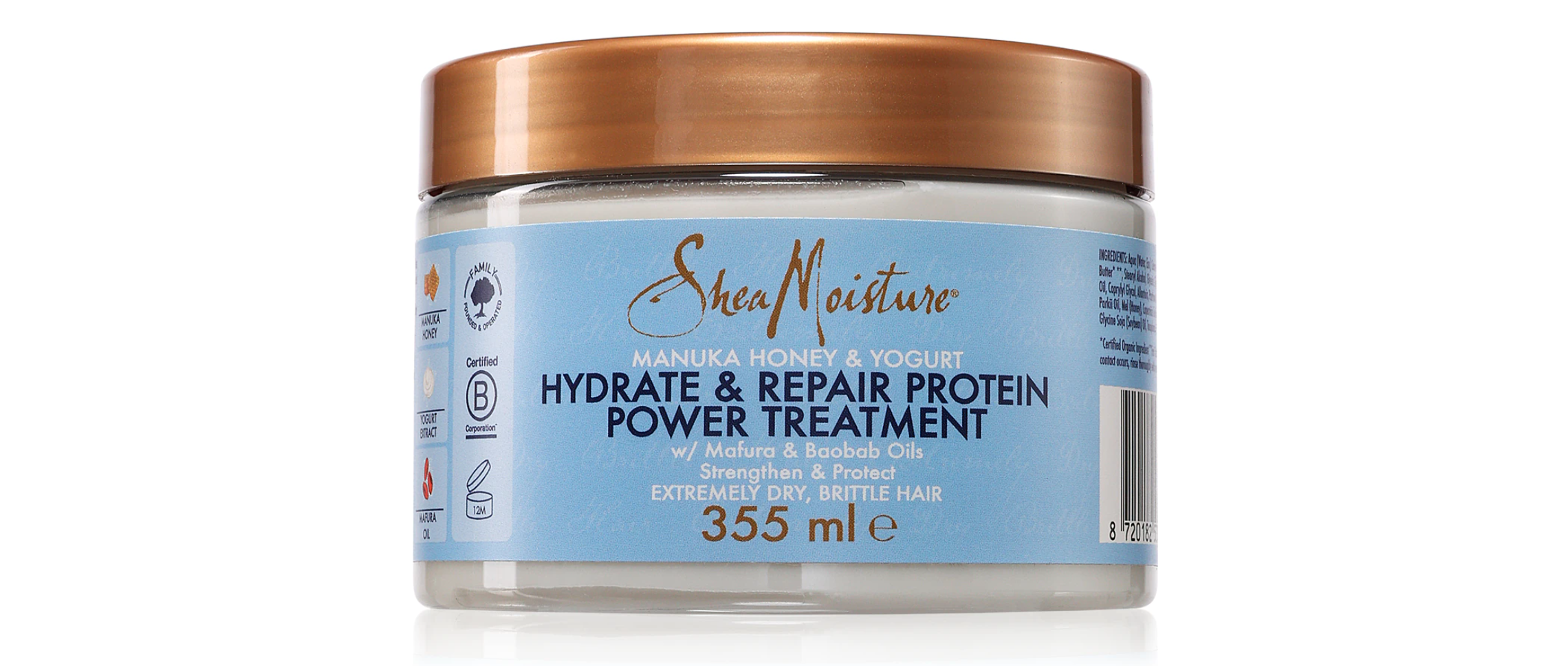
Once the hair is clean and ready, the next step is to choose the right strengthening care. Many professionals notice that clients are confused about proteins. They hear words like repair and reconstruction, but they do not know when they actually need it. This is your chance to educate them. Explain that a protein hair treatment is not a universal solution. It works best for weak or over processed hair that feels stretchy or fragile.

When the structure is compromised, proteins fill in the gaps and support the natural shape. When the hair is not damaged enough, too much protein can make it stiff. You can help your clients recognise the signs so they do not experiment at home in a way that makes things worse.
How to Diagnose and Explain Hair Needs Clearly
A clear diagnosis builds trust. Try to show your clients how you evaluate the hair. Talk about elasticity, moisture levels and breakage points. When they understand the reasoning behind your decisions, they feel involved in the process. This also encourages them to ask better questions and follow your recommendations. The more they understand, the more they appreciate the salon work that often goes unnoticed.
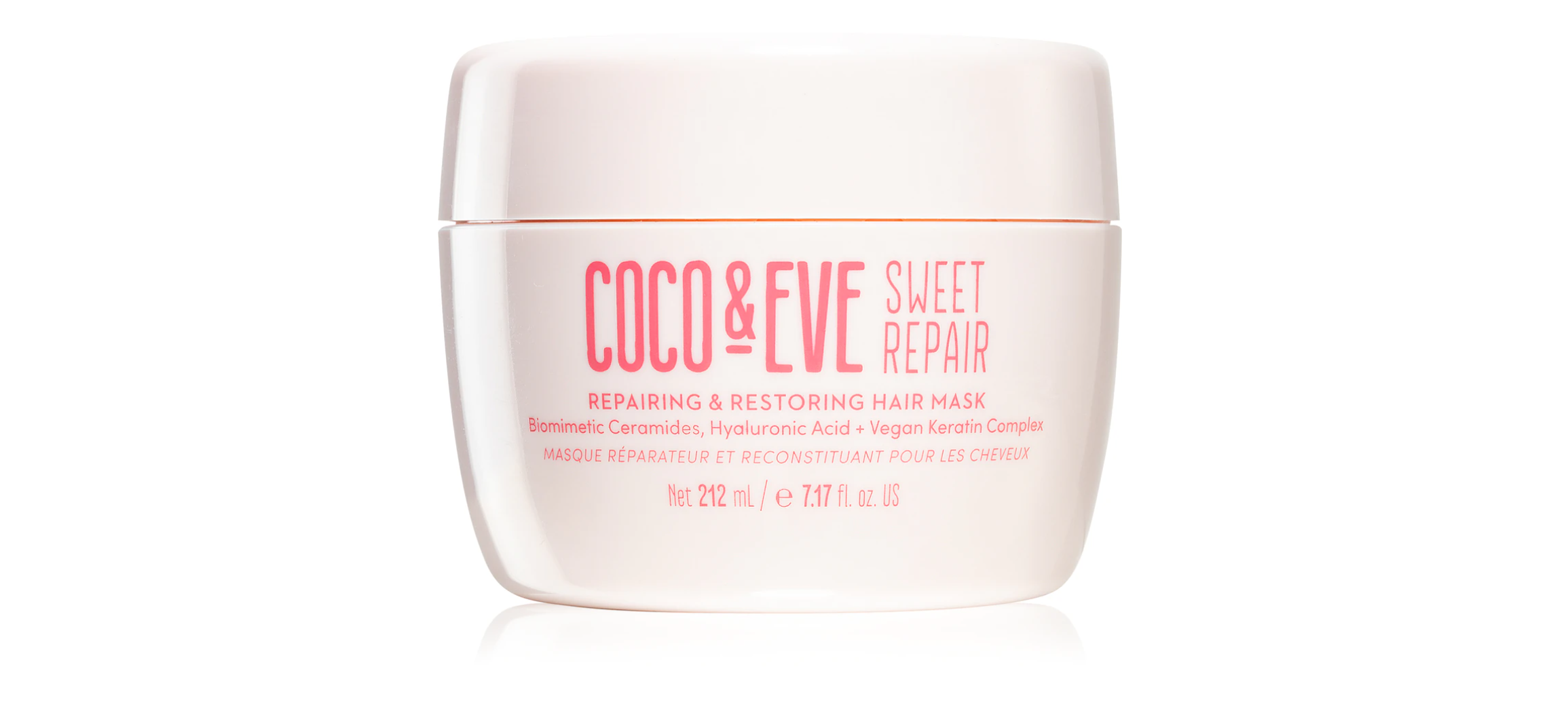
Moisture balance is another topic worth explaining. Many clients reach for heavy masks thinking they help with dryness, but without understanding what dryness actually means. Some hair needs more moisture, some needs more strength, and most needs a little of both. This is where targeted care comes in. A keratin mask for damaged hair gives you the chance to rebuild softness without overloading the strands. Keratin haircare is easy to describe because the hair naturally contains keratin, so clients relate to it quickly. It is a simple way to teach them the idea of balance between strength and flexibility.
How to Personalise Homecare for Every Client
Salon routines become more effective when you personalise them. Try to walk your clients through a simple plan they can follow at home. For example, one cleansing day, one moisture day and one strengthening day. By creating small routines, you help them maintain results, and you show that healthy hair is not a mystery but a series of consistent steps. Clients love structure, especially when you make it practical and easy.

Do not forget to talk about daily habits. A beautiful colour loses its shine quickly when clients use extreme heat or skip regular trims. Tiny reminders can make a big difference. Teach them to lower the heat on their tools, to detangle gently and to protect the hair before swimming. These details matter because they protect the investment they made in the salon.
As a professional, you already know the science. What makes your work powerful is the way you communicate it. When you combine expert care with simple explanations, you help them see their hair's potential, and you establish yourself as the trusted voice in their routine.
Healthy hair is not luck. It is teamwork between you and the person in your chair. When you take the time to educate, suggest the right products and personalise the care, you create results that last. And clients always return to the stylists who make their hair look and feel its best.
This is a sponsored post in collaboration with Notino.