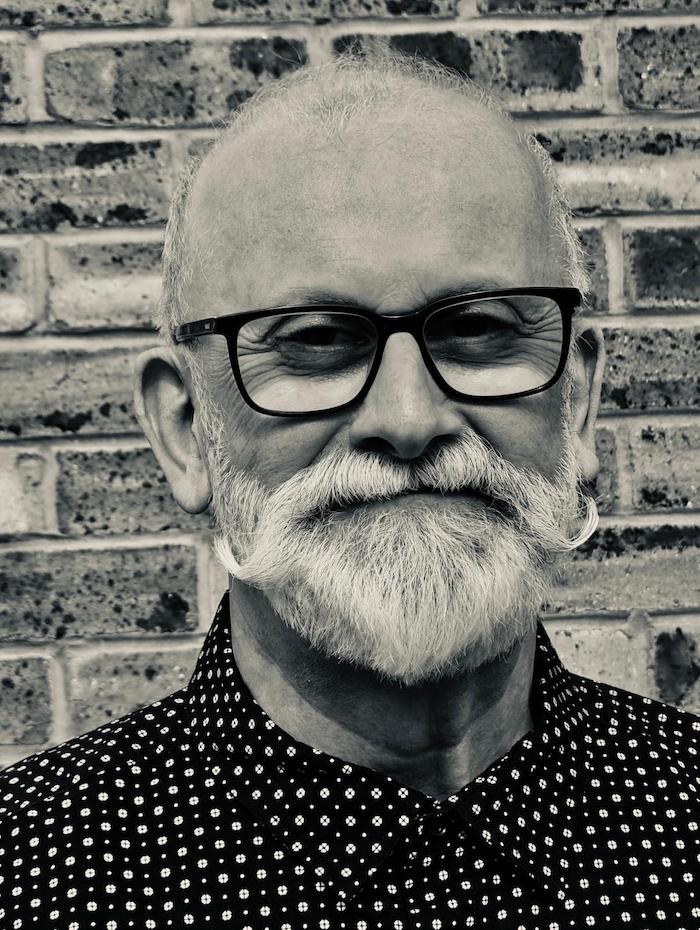
HJ spoke to the first Welsh winner of Wales and South West Hairdresser of the Year, Nat Cargius, who shared his views on the evolution of the British Hairdressing Awards, sponsored by Schwarzkopf Professional, and why today’s generation must rediscover discipline, creativity and craft
When Nat Cargius won Wales and South West Hairdresser of the Year in 1992, he didn’t just win the covted title, he felt like he was helping to put Welsh hairdressing on the map. At a time when regional identity was blurred and the industry remained heavily London-centric, his win marked a shift towards greater recognition for talent beyond the capital.
Now, more than three decades on, with Wales being recognised as a standalone category at the British Hairdressing Awards, Cargius reflects on his journey. In our conversation, he shares why visual storytelling set his work apart, what winning really felt like, and why he believes the next generation must raise its game.
What are your thoughts on the introduction of a dedicated Wales category at the British Hairdressing Awards?
It’s about time. Honestly, it’s been an oversight. When you go back 30 - 35 years, Wales was grouped in with the Midlands or the whole of the South West, which never really made sense. You had to enter categories that didn’t reflect where you were from, and that diluted identity. Now, having Wales stand on its own is a real moment. It gives hairdressers something to aim for. Wales Hairdresser of the Year is a title with real weight. It should inspire people.
What was it like entering competitions in those early days?
In the beginning, there was a lot of mystique around competitions. The big names understood the prestige, but for most of us, it was like "what are they actually looking for?". You just entered what you thought were the important competitions like L’Oréal Colour Trophy and the British Hairdressing Awards, anything that carried credibility. I started gaining momentum, finalist placements, recognition, and that built confidence. But being outside London, it was tough. The industry was very London-centric. So when a category opened up that included Wales and the South West, it felt like an opportunity to finally be seen.
What set your work apart?
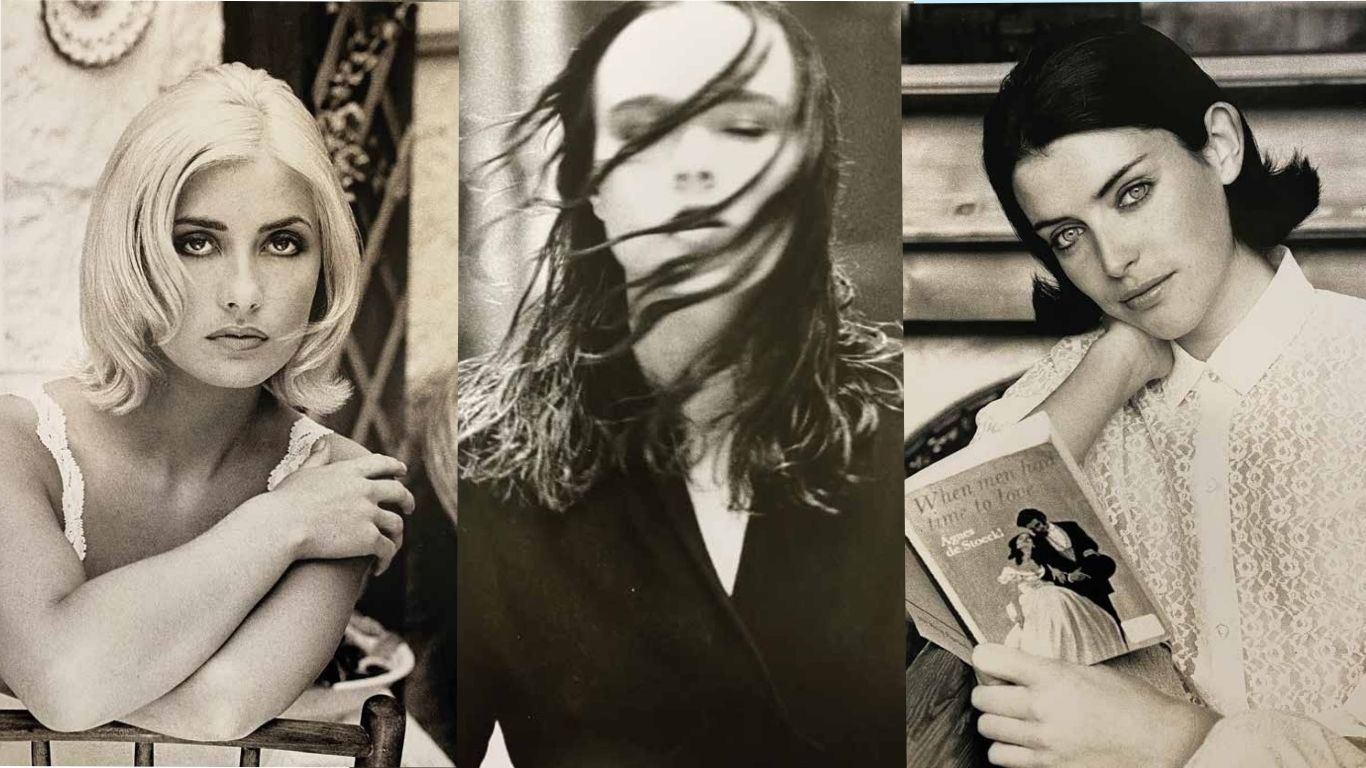
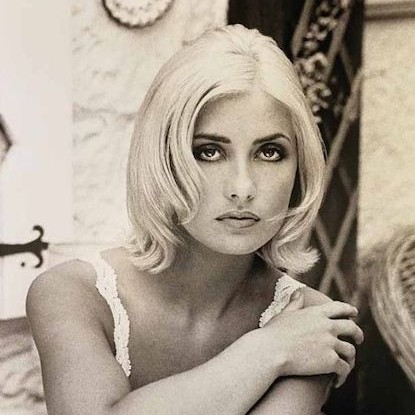
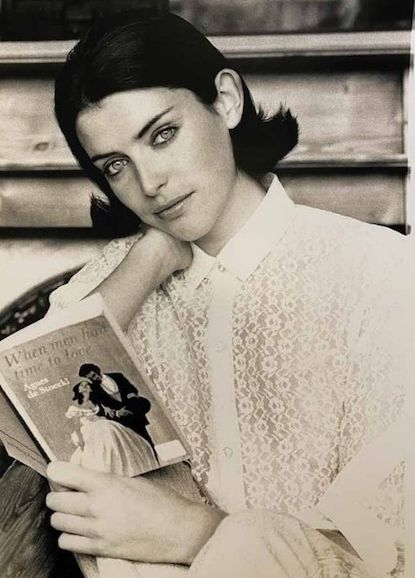
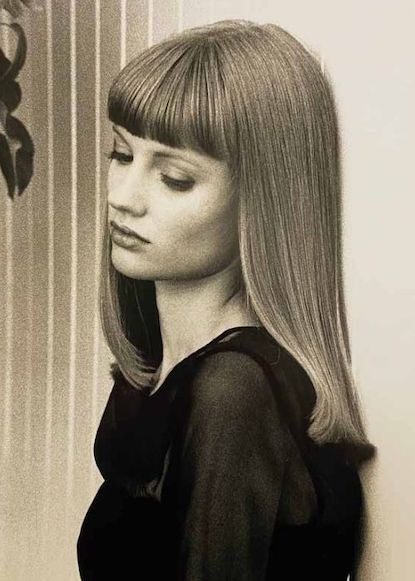
Simplicity and storytelling. A lot of my winning images were black and white. I wasn’t just focused on the hair; I wanted the whole image to communicate something. It was very editorial, very Vogue-inspired. I’d worked with model agencies and had done a lot of photographic work, so I understood visual literacy. I remember one of the judges saying that certain entries “told a story visually” and I thought, yes, that’s it. That’s what I was aiming for. Hair is part of fashion. It’s not separate. It’s as important as the clothes, the styling... everything.
How important was that era for elevating hairdressers in the fashion world?
Hugely important. The ’90s were a turning point. Hairdressers became stars in their own right. People like Nicky Clarke, Trevor Sorbie, the Mascolos. They weren’t just behind the scenes anymore. Everyone was pushing to show that hair is integral to fashion. That helped elevate the entire industry.
Did your background influence your drive?
Definitely. I’m Welsh with Italian heritage - my family’s from Calabria, which is another place that’s often overlooked. So I understood that feeling of wanting to prove something, to put your place on the map. That was a big motivator for me. Everything I did, competitions, magazine work, building salons, was about raising the profile of where I came from.
What’s your view on the current state of hairdressing, particularly in Wales?
There’s talent, no question. But there’s also a problem with expectations. Too many people want quick results. They think a bit of social media is enough. But this industry has always been about graft. Turning up. Being present. Doing the work day in, day out. People forget the basics. Techniques have become lazy, everything’s about speed and shortcuts. There’s less focus on structure, longevity, real craft. And the reality is, if you don’t put the effort in, you won’t build a career. It’s that simple.
Do you think competitions like the British Hairdressing Awards, sponsored by Schwarzkopf Professional, can help change that mindset?
They can but only if people understand their value. Competitions hold a mirror up. They push you to be better, to think differently, to invest in yourself creatively. But not everyone is ready for that. Some people dismiss it because it challenges them. If you get it, it can transform your career. If you don’t, you’ll never see the point.
How did it feel to win Wales and South West Hairdresser of the Year?
It was everything. I’d set myself a goal - I wanted to win a major title by the time I was 30. And when it happened, it was just… pride. Real pride. When you’ve built something from nothing, to then be recognised as the best in your region, it’s an incredible feeling. You think, "I’ve proved something here."
What would you say to someone thinking about entering today?
Just do it but do it properly. Don’t cut corners. Don’t expect instant success. Put the work in, understand what you’re trying to say creatively, and commit to it. Because when it pays off, there’s nothing like it. It’s a big moment for Wales, and if it’s done right, it could really elevate the next generation.
Entries for the British Hairdressing Awards, sponsored by Schwarzkopf Professional, are now open!
This year, we’ve made some changes to the entry rules and regulations… so be sure to check them out here. Make sure you get your entries submitted before the closing date of 26 June 2026 for your chance to win.